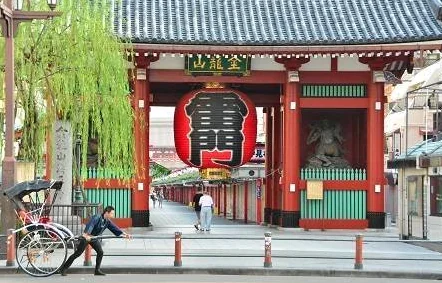
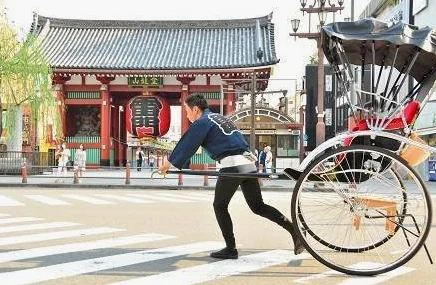
Asakusa Rickshaw Tour: My Personal Experience and Local Tips I stood by the Kaminarimon gate on a Tuesday morning, watching the crowds surge toward Senso-ji. I had booked a 30-minute jinrikisha tour, and my shafu guide was already waiting near the entrance. Navigating the narrow backstreets of Asakusa is a different experience from a distance; from the seat of a traditional rickshaw, you see details like the small shrines and hidden artisan shops that most tourists completely miss. While the ¥9,000 ($62) price tag for a solo traveler might seem steep, the historical context provided by the guide and the convenience of bypassing the main pedestrian bottlenecks make it a worthwhile investment for a first-time visitor.
Getting Started at Asakusa Station
To find your rickshaw guide, head to Asakusa Station Exit 1 and walk toward the Kaminarimon gate. Most operators maintain a meeting point within a two-minute walk of the main red lantern, where you will present your digital QR code voucher to confirm your booking.
Finding Your Guide
The meeting process is straightforward once you know where to look. I arrived 10 minutes early at the designated spot near the Kaminarimon, and my guide identified himself immediately. If you have any trouble finding the team, they are usually easy to spot in their distinct traditional uniforms, and they are accustomed to helping international travelers who might be confused by the station layout.
What to Expect During Your 30-Minute Ride
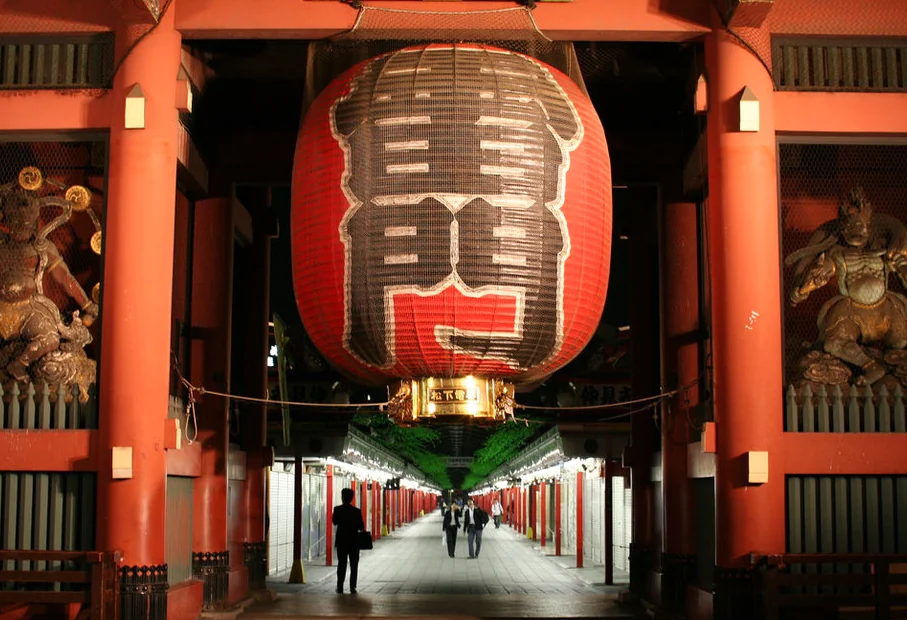
The 30-minute sightseeing course typically covers the perimeter of Senso-ji, moving through the quieter backstreets near Hanayashiki and Denpoin Street. You will experience the Edo period atmosphere while your shafu guide shares stories about the local architecture and hidden gems that you would likely walk past on your own.
Service and Comfort Details
Even on chilly or drizzly days, the experience remains comfortable due to the provided blankets and weather-resistant covers. The guides are trained in safety guidelines and are remarkably skilled at navigating the rickshaw through crowded areas without disrupting the flow of pedestrians. You will also get a unique vantage point of the Tokyo Skytree, with the guide stopping at specific photo spots that provide a clear, unobstructed view.
Essential Tips for Your Rickshaw Experience
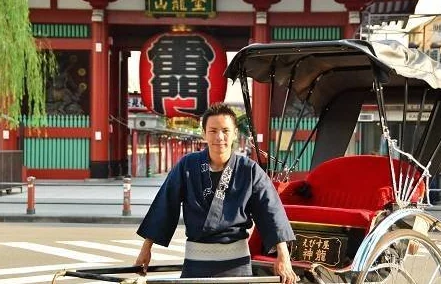
Before you hop on, keep these practical points in mind to ensure your trip goes smoothly. I found that having a few basic Japanese phrases helped build rapport with my guide, though many of them have enough English proficiency to explain the history of the area effectively.
- Check the weather forecast: Rickshaws operate in light rain, but heavy storms may cause cancellations.
- Age requirements: All participants must be at least 7 years old to ride.
- Communication: Use your reservation confirmation email if you encounter any language barriers at the meeting point.
- Tipping: Remember that Japanese tipping culture does not involve gratuities; the price you pay covers the entire service.
- Timing: Aim to arrive at the meeting point at least 5 minutes before your scheduled departure.
This traditional mode of transport offers a perspective on Tokyo that walking simply cannot provide. By choosing a short course, you save your energy for exploring the deeper parts of the Nakamise-dori route and the surrounding Sumida River area on foot afterward.