Standing on the platform at Tokyo Station, watching the sleek nose of a Shinkansen slide into view, I still get a thrill even after 50 trips to Japan. For first-time visitors, the logistics of navigating one of the world's most complex rail networks can feel overwhelming. However, the Japan Rail Pass (JR Pass) remains the most powerful tool for exploring the country, despite recent price adjustments. In this guide, I will share my personal experience using the pass to traverse the Tokyo to Osaka route and beyond. You will learn about the cost-benefit analysis of different pass durations, how to handle the seat reservation process, and why local IC Cards like Suica and Pasmo are still necessary. My goal is to ensure your vacation is defined by the speed of the bullet train rather than the stress of the ticket vending machines.
What exactly is the Japan Rail Pass?
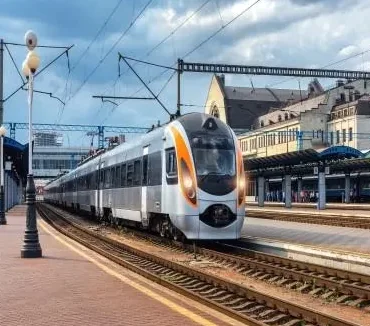
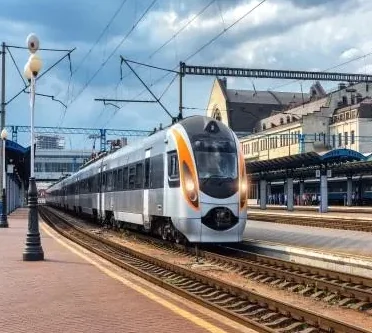
The Japan Rail Pass is a multi-use transport ticket that allows foreign tourists to travel across Japan using most JR-operated trains, including the iconic Shinkansen. It offers unlimited rides for a set duration, significantly simplifying the logistics of a multi-city itinerary by removing the need to buy individual tickets for every leg of the journey.
When you hold this pass, you gain access to a massive network that includes the Narita Express N'EX for airport transfers and the Haruka Express in the Kansai region. During my last trip, I used the pass to jump on local JR lines in Tokyo, like the Yamanote Loop, which saved me from constantly tapping a credit card. It is important to remember that this pass is exclusively for temporary visitors on a tourist visa. You cannot buy it if you are a resident, making it a special privilege for international tourism.
"The pass allows for unlimited use within the validity period, covering the majority of the national rail network." — Trip.com
Choosing Your Pass: Green Car vs Ordinary Car
The main difference between the Green Car and Ordinary Car is the level of comfort and space, with Green Cars offering larger seats, more legroom, and a quieter atmosphere. For most travelers, the Ordinary Car is more than sufficient because Japanese trains are exceptionally clean and punctual regardless of the class.
I have tried both, and while the Green Car feels like a first-class flight with its footrests and extra recline, the Ordinary Car on the Shinkansen bullet train is already better than most international economy seats. If you are traveling during peak seasons like Cherry Blossom or New Year, the Green Car might be worth the extra cost just to ensure a more peaceful environment. However, if you are on a budget, the Ordinary Car will serve you perfectly well for the 2.5-hour trip from Tokyo to Kyoto.
Validity Periods: 7, 14, or 21 Days
JR Passes are available in durations of 7, 14, or 21 consecutive days, starting from the first day of use. You should choose your duration based on the actual days you plan to travel between cities, rather than your entire stay in Japan.
For example, if you are staying in Tokyo for 4 days and then visiting Osaka and Kyoto for 6 days, a 7-day pass might be enough if you activate it on the day you leave Tokyo. I once made the mistake of activating a 14-day pass too early, and it expired just as I needed to head back to the airport. Always map out your long-distance travel dates using a Japan Transit Planner or the Japan Travel by NAVITIME app before deciding.
Core Specifications of the Japan Rail Pass
| Feature Type | Service Detail |
|---|---|
| Eligibility | Foreign tourists on a "Temporary Visitor" visa status |
| Coverage | Most JR trains, Shinkansen (except specific types), JR Buses, and Miyajima Ferry |
| Purchase Method | Online or via authorized agents to receive an Exchange Order MCO |
| Seat Reservations | Free for pass holders at ticket offices or machines |
The Essential Checklist for Pass Holders
Using the JR Pass effectively requires a bit of preparation before you even land in Japan. These three benefits are why the pass remains a staple for first-time visitor logistics.
- Unlimited Travel at a Fixed Cost: You can ride as many JR trains as you want without worrying about fluctuating ticket prices.
- High-Speed Shinkansen Access: Travel between major cities like Tokyo, Nagoya, and Osaka in a fraction of the time it takes by bus.
- Enhanced Planning Flexibility: If you miss a train, you don't lose money; you simply hop on the next available one (though seat reservations should be updated).
How to Purchase and Activate Your Pass

You must purchase an Exchange Order (MCO) online or via a travel agent before you arrive in Japan. Once you land, you must take this physical voucher and your passport to a JR Exchange Office located at major airports or stations like Kyoto Station navigation hubs to receive your actual pass.
The process usually takes about 15-20 minutes, though queues at Narita or Haneda can sometimes be longer. I once waited 34 minutes at Shinjuku Station because I went during the lunch rush. Pro tip: look for the English-speaking staff support desks; they are usually very patient and will help you make your first few seat reservations right then and there. Remember, you cannot use the pass until it is physically in your hand.
Navigating the Shinkansen and Seat Reservations
The Shinkansen is the backbone of Japanese travel, but pass holders must be aware that the Nozomi and Mizuho trains—the fastest categories—require a special supplemental ticket. Most pass holders will use the Hikari or Sakura trains, which are nearly as fast but stop at a few more stations.
Reserving a seat is straightforward. You can use the ticket vending machines by scanning your pass or visit a "Midori-no-madoguchi" (ticket office). If you are traveling with large suitcases, pay attention to the oversized baggage rules. Any bag with total dimensions over 160 cm requires a specific reservation in the last row of the carriage. I forgot this once and had to scramble to find the conductor to avoid a 1,000 yen fine.
Regional JR Passes and IC Cards
If your trip is focused on a single region, such as just the Kansai area or Hokkaido, Regional JR Passes are often a much better value than the nationwide version. These passes cover specific zones and are significantly cheaper.
Additionally, the JR Pass does not cover non-JR subways or private lines. For these, you must use IC Cards Suica and Pasmo. These are prepaid cards you tap at the gates. While there have been some supply shortages of physical cards recently, you can easily add a digital Suica to your Apple Wallet or use the Smart EX app for Shinkansen bookings if you decide not to get a full JR Pass.
Honest Downsides and Cultural Etiquette
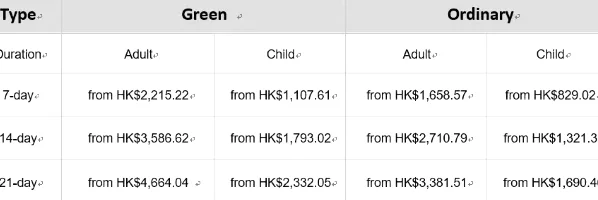
While the JR Pass is convenient, the recent price hike in late 2023 means it is no longer a "no-brainer" for everyone. If you are only doing a single round trip between Tokyo and Osaka, it is actually cheaper to buy individual tickets. I recommend doing a cost-benefit analysis using an online calculator to see if the pass pays for itself. Also, remember train etiquette in Japan: keep your phone on silent, avoid loud conversations, and always take your trash with you. Don't forget to try an Ekiben station bento; eating on the Shinkansen is one of the great joys of the journey.
Frequently Asked Questions
Q: What does the JR Pass actually do? A: It allows travelers to explore all of Japan using a single pass for most JR-operated trains, including the Shinkansen, instead of buying multiple individual tickets. Q: When should I purchase and use the JR Pass? A: You should buy it before arriving in Japan. After purchasing online, you receive a voucher (MCO) that you must exchange for the actual pass at a JR office once you land. Q: Can I use the JR Pass to travel from Tokyo to Osaka? A: Yes, the pass covers the Tokaido Shinkansen line connecting Tokyo, Kyoto, and Osaka, though it excludes the specific Nozomi and Mizuho train types without a surcharge.
자주 묻는 질문

How much do I have to ride to get my money's worth with the JR Pass?
Due to recent price increases, a round trip between Tokyo and Osaka is not enough. It is advantageous to use long-distance Shinkansen routes such as a round trip from Tokyo to Hiroshima at least twice. The more long-distance Japan travel you have, the more cost-effective the Japan Rail Pass becomes.
What is the difference between JR Pass Green Car and Ordinary Car?
The Green Car is a first-class concept that offers spacious seats, footrests, and a quiet environment, while the Ordinary Car is a standard seat. If you want a comfortable Shinkansen bullet train ride, we recommend the Green Car, and if you want a cost-effective trip, we recommend the Ordinary Car.
How do I reserve a Shinkansen reserved seat with the JR Pass?
You can do it for free at ticket offices (Midori-no-madoguchi), automatic ticket machines, or the official reservation website in JR stations. The Seat reservation process is simple, and in peak season, you should book your seats in advance before traveling to avoid worrying about seat shortages.
Which is better, the nationwide JR Pass or the regional pass?
The nationwide pass is good if you are traveling extensively from Tokyo to Kyushu, but if you are only traveling to a specific region, Regional JR Passes are much cheaper. The most economical way is to choose a pass that matches your travel range.
What are the disadvantages or precautions when using the JR Pass?
An additional fee is charged when using the fastest Nozomi and Mizuho trains, and IC cards such as Suica are more convenient than the JR Pass when using city subways. In addition, it is essential to bring your passport to exchange the Exchange Order MCO for a physical pass.