I once paid ¥48,000 ($320) for a last-minute flight from Seoul to Osaka because I ignored the fuel surcharge trends. That was visit number 14, and it was a painful lesson in travel logistics. After more than 50 trips to Japan, I have learned that securing cheap Osaka flights isn't just about luck; it is about knowing which airport to use and when the LCC deals actually drop. For most travelers, landing at Kansai International Airport (KIX) is the starting point of a classic Japan travel experience, but the difference between a smooth arrival and a two-hour queue at immigration often comes down to preparation before you even board the plane.
Booking Your Osaka Flight: Timing and Route Secrets
The most effective way to save on Osaka flights is to book approximately 9 to 11 weeks in advance and monitor the fuel surcharge calculations which fluctuate monthly. While Incheon (ICN) offers the most frequent LCC deals, flying from Gimpo (GMP) is often the superior choice for those staying near Namba or Umeda because it saves nearly two hours of ground transit time.
When searching for the Skyscanner lowest price, don't just look at the headline figure. I always check the LCC baggage rules comparison first. A ¥12,000 ($80) ticket can quickly jump to ¥18,000 ($120) once you add a 15kg suitcase. If you are planning an Osaka cherry blossom flights trip for late March, you should be looking at early bird booking timing as early as September or October of the previous year. During the current Yen weakness, your flight might be the most expensive part of the trip, so every yen saved on the fare goes straight into your sushi budget.
Key Benefits of Smart Flight Booking
- Real-time comparison and booking for the lowest fare flights
- Filtering options for direct flights and budget-friendly routes
- Access to seasonal price trend data to identify the cheapest travel windows
Gimpo vs. Incheon: Which Route Wins?
The Gimpo-Osaka route benefits include shorter security lines and a much closer proximity to Seoul's city center, often saving travelers ¥3,500 ($23) in airport limousine fees. While Incheon Terminal 2 airlines like Korean Air offer more luxury, the efficiency of Gimpo is hard to beat for a short 3-night, 4-day trip.
| Item | Gimpo to Kansai (Our Choice) | Incheon to Kansai (Competitor) |
|---|---|---|
| Travel Time to Airport | 25-40 minutes | 60-90 minutes |
| Check-in Complexity | Low (Smaller crowds) | High (Large terminals) |
| Average Ticket Price | ¥22,000 - ¥35,000 | ¥15,000 - ¥28,000 |
"The lowest one-way fare for a flight from South Korea to Osaka is currently recorded at approximately ¥7,400 (66,384 KRW)." — Based on real-time data from HotelsCombined
Navigating Kansai International Airport (KIX) Efficiently
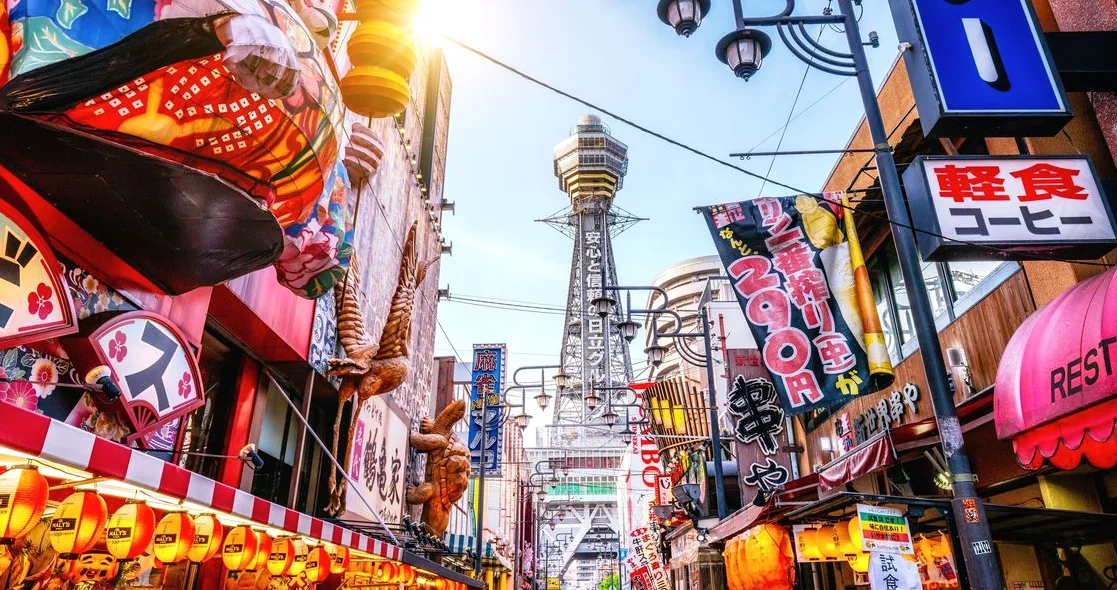
Upon arrival at Kansai International Airport (KIX), the fastest way to reach central Osaka is by using the Nankai Rapit round-trip ticket for Namba or the Haruka Express for Umeda and Kyoto. Ensure you have your Visit Japan Web QR codes screenshotted before landing to breeze through the Japan immigration documents check, which can otherwise take over 45 minutes during peak tourism hours.
One honest downside of KIX is the distance between Terminal 1 and Terminal 2. If you fly with Peach Aviation, you will land at Terminal 2, which requires a 10-minute shuttle bus ride to reach the train station. I usually recommend people factor in an extra 30 minutes for this transfer. Before leaving the airport, head to the JR office to pick up your Haruka Express timetable or top up your ICOCA card. If the lines are too long, you can now add a digital ICOCA to your Apple Wallet, which I find much more convenient than carrying plastic.
Ground Transportation Essentials
For those heading to the Namba area, the Nankai Rapit is the most comfortable option with reserved seating for about ¥1,350 ($9). If you are heading straight to Kyoto for a day trip, the Haruka Express is your best bet, especially if you have the discounted foreign visitor pass. Don't forget to check the Namba Station coin locker locations if your hotel check-in isn't until 3 PM; the ones near the North Exit are usually full by 10 AM, so try the 3rd-floor lockers instead.
Maximizing Your Osaka 3N4D Budget
An average Osaka 3N4D budget typically ranges from ¥85,000 to ¥120,000 ($570 - $800) per person, excluding international flights. This includes a stay at budget stays near Dotonbori, an Osaka Amazing Pass for sightseeing, and at least one high-end meal like Kobe beef or fugu.
To keep costs down, I highly recommend the Osaka Amazing Pass benefits, which cover both subway transport and entry to over 40 attractions like the Umeda Sky Building. For currency, the Yen weakness exchange timing is currently favorable, but don't carry too much cash. I use a combination of TravelLog and TravelWallet cards to get the best rates. When it comes to connectivity, skip the physical SIM cards. A Japan eSIM recommendation like Ubigi or Airalo is much easier to set up and avoids the hassle of losing your original SIM card.
Strategic Sightseeing and Transfers
If you are planning to visit Universal Studios Japan, getting a USJ timed entry ticket (Area Timed Entry Ticket) is mandatory for Super Nintendo World. I’ve seen too many disappointed travelers stuck outside the Mario gates because they didn't book early. For a Kyoto day trip, the Hankyu Pass is a steal at ¥700 ($4.70), but be warned: the Umeda Station transfer guide is notoriously confusing. Give yourself at least 15 minutes to find the Hankyu lines from the JR platforms—it is a literal maze.
Before you fly back, save some space in your luggage for the Kansai Airport duty-free shopping list. My personal favorites are the Royce' Nama Chocolate and the Shiroi Koibito cookies, but the lines at Terminal 1 duty-free can be 20 minutes long, so get there early.