I remember trying to navigate from Nara to Arima Onsen using just local trains back in 2018. It took three transfers, nearly three hours of standing, and I completely missed the sunset in Kobe. That is when I learned the hard way that connecting Kansai's outer cities is a logistical nightmare for a single day. This specific Osaka day trip bus logistics setup solves exactly that headache. For around ¥8,900 ($59), this 11-hour guided route packs three entirely different regional highlights into one day without the transit anxiety. You get morning wildlife, afternoon hot springs, and evening harbor views.
While you absolutely sacrifice the flexibility of lingering at a random cafe for hours, the sheer transport value makes it a solid choice for anyone building a japan travel guide itinerary. It operates as a direct shuttle between cities, letting you sleep between stops instead of staring at Google Maps trying to find the right platform. If you are taking a vacation and want to maximize your time, this comprehensive tourism approach works. Here is exactly what to expect from the pacing, the costs, and the inevitable compromises of a three-city bus marathon.
The Reality of Osaka Day Trip Bus Logistics
The bus departs sharply from central Osaka, acting as a direct shuttle between three distinct cities. You spend about 3.5 hours on the bus total, interspersed with 90 to 120-minute stops at each destination.
When planning your Kansai region travel logistics, trying to fit these three specific locations into one day via public transit is technically possible but miserable. You spend more time waiting on platforms than actually seeing the sights. According to the tour provider, this specific routing is [1]
"the hottest core course found nowhere else." I tend to agree, simply because it eliminates the dead time between rural transit connections.
Namba meeting point navigation
Passengers gather at Namba Station Nihonbashi Exit 2 at 8:15 AM for check-in. The guide waits with a designated flag, and the bus leaves exactly at 8:30 AM without exceptions.
Strict group tour boarding time and etiquette means if you are late, you get left behind. Do not rely on the massive underground Namba station map to find your way; walk above ground if you are easily lost. I recommend arriving by 8:05 AM to grab a coffee at the nearby convenience store. The Korean-speaking tour guide services (often bilingual in English) handle the roll call quickly.
- Navigating the hassle of transportation to visit Nara and Kobe individually requires multiple train lines and extensive walking.
- Experiencing travel difficulties due to a lack of local information is common, especially regarding rural bus schedules near Mount Rokko.
Complete Raku Tour Itinerary Breakdown
 The schedule divides your day into three distinct chapters: morning wildlife interactions, afternoon hot spring relaxation, and evening harbor sightseeing. You get roughly two hours at each location to explore independently.
| Tour Segment | Time Allocation | Key Highlights |
|---|---|---|
| Nara Park Area | 120 minutes | Deer interaction, Todai-ji Temple |
| Arima Onsen | 90 minutes | Public baths, Old town strolling |
| Kobe Harborland | 150 minutes | Shopping, Dinner, Night views |
| Transit | Approx. 3.5 hours | Direct highway routing |
Mastering the Nara Park walking route efficiency
A streamlined path from the parking lot takes you directly past the deer fields to the main temples. You cover the essential sights in about 90 minutes without getting lost in the massive park.
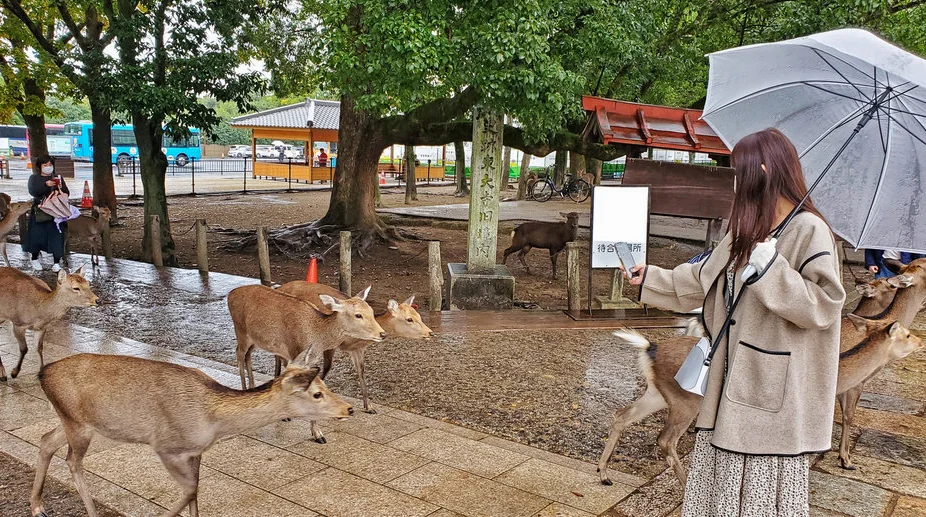
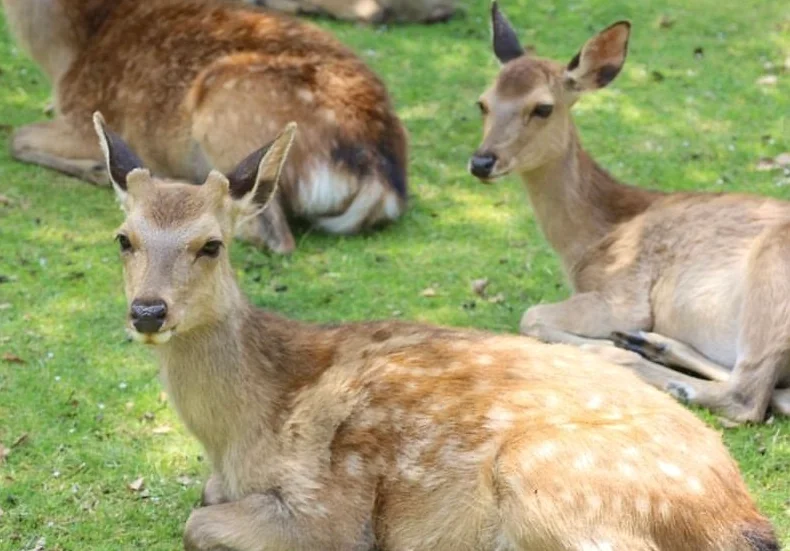
Buying Nara Park Deer Crackers (Shika Senbei) costs exactly ¥200 ($1.30) from the licensed vendors. Even on a rainy day, I saw a traveler photographing the deer resting on the grass while holding an umbrella, making the most of those crackers. Temple entrance fees in Nara are usually separate from tour costs; getting into the Todai-ji Temple Great Buddha Hall costs ¥800. If you walk fast, you can glimpse the Kasuga Taisha Shrine lanterns, but it is a very tight squeeze for a two-hour window.
Arima Onsen Kinsen Gold Water vs Silver Spa
The mountain town offers two unique spring types: the iron-rich Kinsen and the clear Ginsen. You have just enough time to try one public bath or explore the free foot baths.
The Arima Onsen Kinsen Gold Water is muddy brown and will stain white towels, while the Arima Onsen Silver Spa (Ginsen) is clear and highly carbonated. Entrance to the public baths is around ¥650. If you do not want to fully undress, simply use the Arima Onsen public foot baths located near the bus parking area. While the Rokko Arima Ropeway operation hours sometimes limit late afternoon trips, you can still catch distant Mount Rokko Cable Car views from the lower town elevations if the weather holds up.
Kobe Harborland Mosaic Shopping Mall and Port
The final stop transitions from traditional Japan to a modern harbor setting. This area combines massive shopping complexes with memorial parks and waterfront dining.
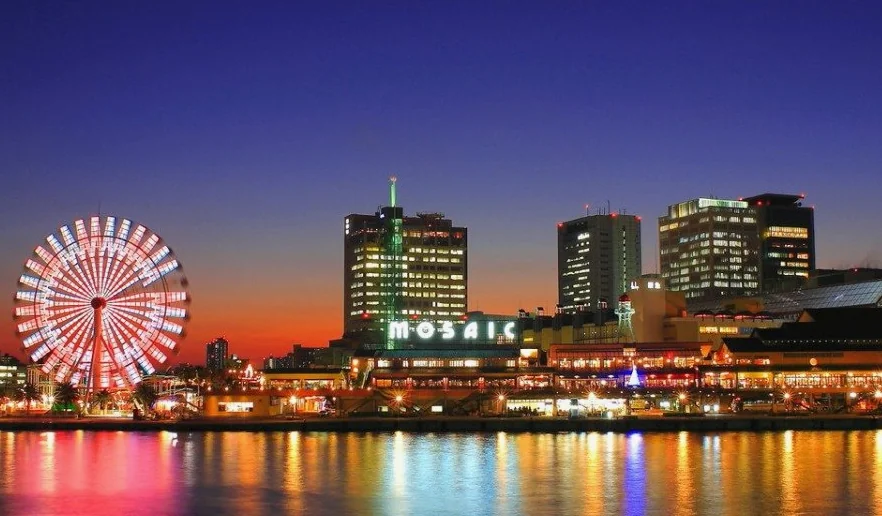
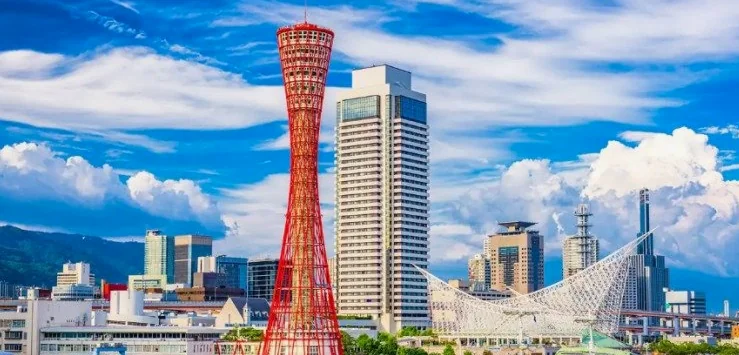
We arrived just in time to see the sunset lighting up the massive Mosaic Ferris wheel. The Kobe Harborland Mosaic Shopping Mall is expansive, offering everything from souvenirs to high-end dining. For dinner, Kobe Beef lunch sets and pricing are notoriously high, but evening meals here are even steeper (expect ¥8,000+ or $53+ for entry-level cuts). You can grab cheaper Japanese street food prices at the mall food court if you want to save money. A short five-minute walk takes you to the Meriken Park Earthquake Memorial and the striking red Kobe Port Tower night view.
Independent Transit vs Guided Efficiency
 For this specific three-city route, the bus tour offers significantly better value than navigating trains yourself. Doing this independently would cost more in train fares alone.
Let's do a quick Kansai Thru Pass cost comparison. A 2-day pass is ¥4,380. Even if you hold one, the bus tour vs JR Pass efficiency heavily favors the bus here because trains between Nara and Arima require multiple tedious transfers. Furthermore, having a guide helps bridge the gap when Japanese Yen exchange rates (¥) fluctuate and you need quick advice on where to find an ATM or an affordable meal.
this Raku Tour itinerary breakdown proves that paying for convenience is sometimes the smartest travel hack. You trade the freedom to wander off-script for the guarantee that you will actually see everything on your list. Pack a portable charger, wear shoes that can handle 15,000 steps, and grab a window seat on the left side of the bus for the best coastal views driving into Kobe.
Frequently Asked Questions
Is the Osaka Kobe & Nara Bus Tour (Deer Park/Arima Onsen/Harborland)(Raku Tour) worth it?
Yes, this bus tour is worth it for travelers who want to see Nara, Arima, and Kobe in a single day without the stress of multiple train transfers. For approximately ¥8,900 ($59), the tour provides significant value by handling all logistics between these distant locations. It is a top recommendation for a Japan travel guide itinerary because it allows you to feed Nara Park deer crackers, experience the Arima Onsen Kinsen gold water, and enjoy Kobe Harborland views efficiently, saving you hours of transit time.
Where is the meeting point for the Osaka Kobe & Nara Bus Tour (Deer Park/Arima Onsen/Harborland)(Raku Tour)?
The primary meeting point for the Raku Tour is Namba Station Nihonbashi Exit 2 in central Osaka. This location is very convenient for tourists staying in the Namba or Shinsaibashi districts. Most tours depart early in the morning to ensure enough time for the full itinerary. It is highly recommended to arrive at the Nihonbashi exit at least 15 minutes before the scheduled departure to check in with your guide and ensure a smooth start to your sightseeing day.
Does the Osaka Kobe & Nara Bus Tour (Deer Park/Arima Onsen/Harborland)(Raku Tour) price include lunch?
The tour price generally excludes lunch, giving you the flexibility to choose between various Kobe Beef lunch sets and pricing options. During the stop in Kobe or Arima, your guide will typically suggest reputable restaurants where you can try authentic local wagyu. Depending on the restaurant near Kobe Harborland Mosaic Shopping Mall, lunch sets can range from ¥4,000 to over ¥10,000. This flexibility allows you to manage your vacation budget while still enjoying the premium culinary highlights of the Kansai region.
Are entrance fees for Todai-ji Temple included in this Osaka bus tour?
No, the admission fee for the Todai-ji Temple Great Buddha Hall is not included in the base tour price and must be paid individually. Currently, the entrance fee is approximately ¥600 per adult. Other personal expenses, such as Nara Park deer crackers (Shika Senbei) or public bath entry at Arima Onsen, are also extra. Carrying small amounts of Japanese Yen is recommended for these quick transactions, ensuring you don't miss out on the cultural highlights of this curated tourism experience.
How long does the Osaka Kobe & Nara Bus Tour (Deer Park/Arima Onsen/Harborland)(Raku Tour) take?
The total duration of this bus tour is approximately 11 hours, usually starting at 8:30 AM and concluding around 7:30 PM. This full-day schedule is designed to maximize your time, covering three distinct cities in one trip. You will spend your morning with the deer in Nara, your afternoon relaxing in the hot springs of Arima, and your evening enjoying the skyline at Kobe Harborland. It is the perfect solution for travelers who want an intensive but organized Japan vacation experience.