Tokyo Suburbs Day Trip: My Honest Kamakura, Enoshima, and Yokohama Itinerary I missed the 8:14 AM express train from the Shinjuku Station South Exit platforms by exactly thirty seconds last October. That mistake cost me forty minutes of waiting and threw off my entire Tokyo suburbs day trip course. If you are planning to cover Kamakura, Enoshima, and Yokohama in a single 11-hour window, precision is everything. This route is the ultimate test of your japan travel stamina, but it rewards you with ocean views, giant bronze statues, and massive neon city lights. For first-timers, managing the transit transfers while keeping an eye on your Kamakura day trip budget requires a solid plan. Here is my exact breakdown of how to execute this ambitious tourism itinerary without burning out by 3 PM.
Navigating Tokyo Suburbs Train Travel
Tokyo suburbs train travel is best managed by choosing between the Odakyu Railway or JR lines depending on your starting point. The Odakyu line from Shinjuku is cheaper, while the JR lines offer faster direct routes from Shibuya or Tokyo Station.
Ticketing and Transit Cards
You will need either a dedicated pass or a fully loaded IC card to move smoothly between these three cities. Relying on individual paper tickets will waste at least 25 minutes of your day standing in lines.
Before leaving Tokyo, handle your Suica Pasmo transit card recharge at a machine, adding at least ¥3,000 ($20) to cover miscellaneous local buses. If you want to save money, head to the Shinjuku Station Odakyu Sightseeing Service Center near the West Exit. Here, you can purchase the Enoshima-Kamakura Freepass for ¥1,640 ($11), which covers your round-trip from Shinjuku and unlimited rides on the local coastal trains. However, if you are adding Yokohama to the mix, taking the JR Shonan-Shinjuku Line directly to Kamakura Station (¥940 / $6.20 one way) is much faster.
Guided Tour vs Independent Route
Booking a guided bus tour costs around ¥9,500 to ¥12,000 ($63-$80) but eliminates the stress of train transfers. Independent travel is cheaper but requires strict time management to see all three cities before dark.
I usually advocate for independent travel, but cramming these three destinations into one vacation day is exhausting. According to the tour itinerary details [1], a guided option:
"provides a relaxed schedule"
If you prefer not to stare at Google Maps all day, a bus package offers distinct advantages:
- Efficient schedule management through guided accompaniment, ensuring you never miss a transit connection.
- Inclusion of major attractions like Tsurugaoka Hachimangu and the Great Buddha without the hassle of navigating local bus routes.
| Excursion Component | Practical Details |
|---|---|
| Total Duration | Approximately 10.5 to 11 hours |
| Primary Transport | Air-conditioned charter bus or JR/Odakyu trains |
| Starting Point | Shinjuku or Tokyo Station (varies by method) |
| Physical Difficulty | Moderate (Expect 12,000+ steps) |
Morning in Kamakura: Historic Shrines and Street Eats
Start your morning at Kamakura Station by 9:30 AM to beat the worst of the midday crowds. Focus on the main shopping street and the primary shrine before moving toward the coastal train line.
Navigating the Main Town
The central historical district is compact and easily walkable from the main train terminal. You should allocate about two hours for the downtown area before heading to the coast.
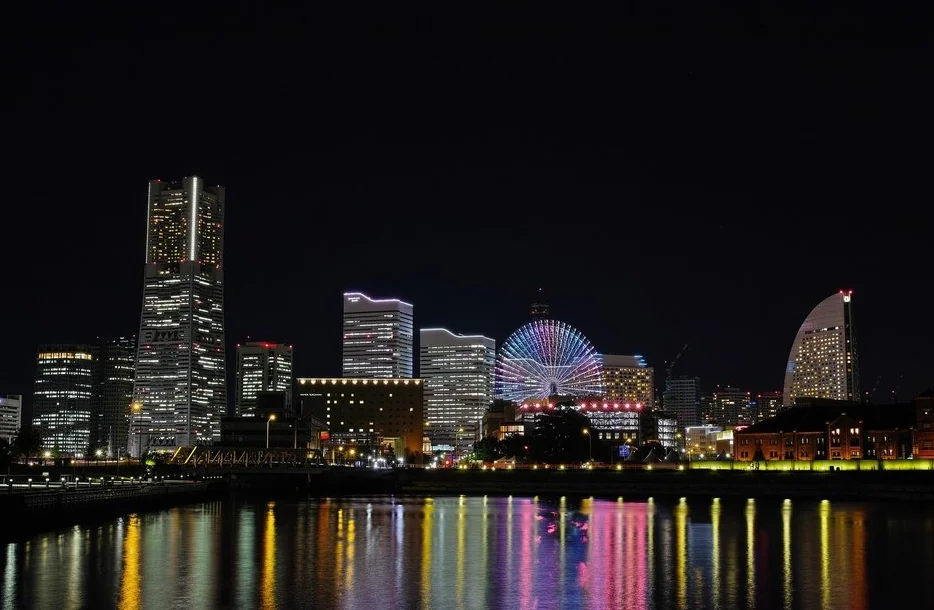
Exit through the East Gate of JR Kamakura Station. If you brought heavy bags, check the station coin locker locations immediately on your right—they fill up by 10 AM. Walk straight to the iconic Tsurugaoka Hachimangu, a massive 12th-century shrine. The approach takes about 10 minutes on foot. Afterward, double back through the bustling alleyways to grab some Komachi-dori street food. I highly recommend trying the local specialty for an early lunch: a Shirasudon whitebait rice bowl. A standard bowl costs about ¥1,300 ($8.60) and has a unique, slightly salty ocean flavor.
Riding the Coastal Railway
The local coastal train connects Kamakura's historical sites to the ocean, running right along the shoreline. You will need about three hours to comfortably explore the major stops along this route.
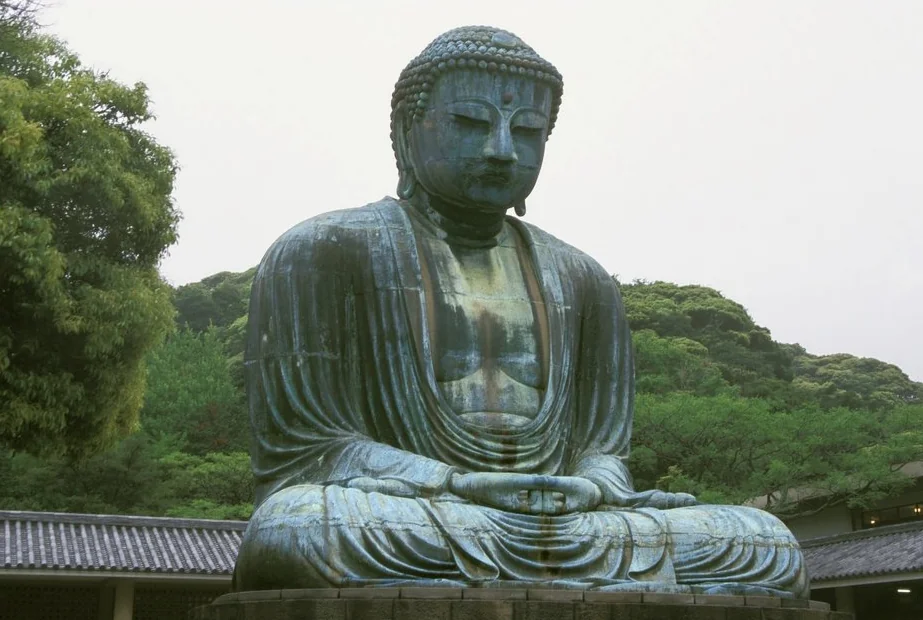
Head to the west side of the station to catch the Enoden streetcar. This retro green train is a travel guide staple. Ride it to Hase Station (¥200 / $1.30). From there, it is a brisk 7-minute walk to see the Kotoku-in Kamakura Great Buddha. The entrance fee is ¥300 ($2), and yes, you can pay an extra ¥50 to step inside the bronze statue. Just up the road is the Hasedera hydrangea temple, famous for its seasonal flowers and sweeping ocean views.
Continuing on the train, get off at Shichirigahama Station. Grab a coffee at a Shichirigahama beach cafe and watch the surfers. A few stops later, you will hit the famous Kamakura High School crossing. It is constantly packed with tourists taking photos mimicking a famous 90s anime opening, so watch out for the traffic guards.
Afternoon in Enoshima: Ocean Breezes and Sunset Views
Enoshima is a small island connected to the mainland by a pedestrian bridge, taking about two to three hours to explore. The main draw is the uphill climb through narrow vendor streets to the observation tower.
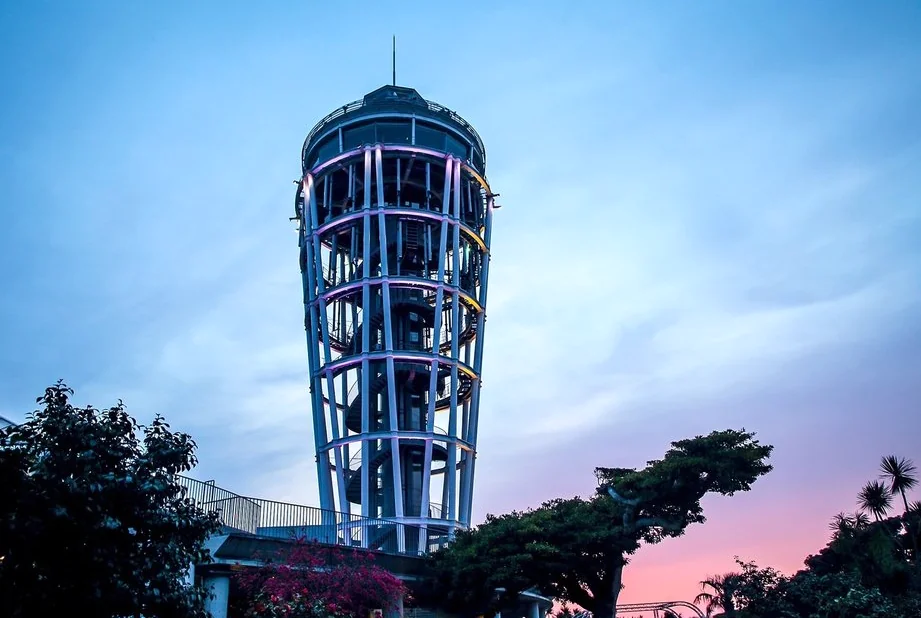
Stay on the train until Enoshima Station. Walk 15 minutes south and cross the Enoshima Bentenbashi bridge. On a clear winter afternoon, this bridge serves as one of the best Mount Fuji viewing points in the entire region. The climb up the island is steep. I paid the ¥360 ($2.40) for the series of outdoor escalators to save my knees. At the top sits the Enoshima Sea Candle observatory. Admission is ¥500 ($3.30), and timing your visit for the 4:30 PM sunset yields incredible photos of the Pacific Ocean.
The one major downside: The wind. It gets bitterly cold near the water from November to March, and many small food stalls close abruptly if the weather turns. I learned to pack a compact windbreaker specifically for this portion of the day.
Evening in Yokohama: City Lights and Dinner
Yokohama offers a massive contrast to the morning's historical sites with its modern skyline and bustling culinary scene. It takes about 45 minutes to reach Yokohama from the coastal areas via the JR or local subway lines.
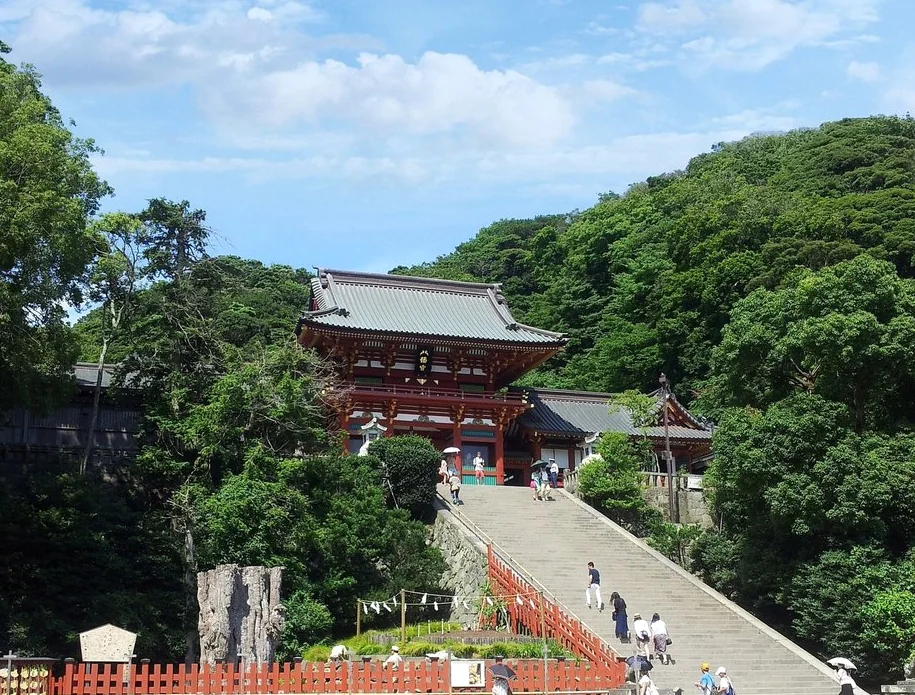
From Enoshima, take the Shonan Monorail to Ofuna, then transfer to the JR line to reach the Yokohama Minatomirai 21 district. The visual shift from ancient temples to futuristic skyscrapers is jarring but fun. Walk toward the water to see the Yokohama Cosmo World Ferris wheel lighting up the night sky. I skipped riding it (tickets are ¥900 / $6) and instead walked over to the Red Brick Warehouse, a historic customs building now packed with boutique shops and cafes.
Wrapping Up with Dinner
Finish your night in Yokohama's massive culinary district, which stays open much later than the coastal towns. It is a 15-minute walk or a short subway ride from the waterfront area.
For the best nighttime vantage points, head up to the Yokohama Landmark Tower Sky Garden (¥1,000 / $6.60). Afterward, take the Minatomirai Line to Motomachi-Chukagai Station. You cannot end this trip without eating in the Yokohama Chinatown Chukagai. It is the largest of its kind in Japan. I grabbed pan-fried soup dumplings (¥600 / $4 for four pieces) from a street vendor and finished the night with a massive bowl of spicy tantanmen before catching the 40-minute train back to Tokyo.
Doing Kamakura, Enoshima, and Yokohama in one day is a marathon, not a sprint. If you hate strict schedules, split this into two separate trips. But if you only have one spare day on your itinerary, wearing comfortable shoes and managing your transit cards properly will make this ambitious route totally achievable. What is your preferred way to tackle these suburban cities?
Frequently Asked Questions
Is the Enoshima Kamakura Free Pass worth it?
Yes, the Enoshima Kamakura Free Pass is highly worth it for a budget-friendly day trip from Tokyo. For around 1,640 yen, it covers your round-trip journey from Shinjuku Station on the Odakyu Line and provides unlimited rides on the charming Enoden tram. This pass easily pays for itself if you plan to visit multiple stops like the Great Buddha at Kotoku-in and Enoshima Island. It also offers exclusive discounts at local attractions, making it the most cost-effective choice for a Tokyo suburbs tour.
Where can I buy the Enoshima Kamakura Free Pass?
You can purchase the Enoshima Kamakura Free Pass at the Odakyu Sightseeing Service Center located in Shinjuku Station. For convenience, it is also available at any Odakyu Line ticket vending machine. If you prefer a paperless experience, you can buy a digital version through the EMot mobile app. The Shinjuku Station South or West exits are the best starting points to find the service center, where staff can provide English guides and maps for your Japan travel itinerary.
Can I visit Kamakura and Yokohama in one day?
Yes, visiting Kamakura, Enoshima, and Yokohama in a single day is possible, though it requires an early start. Most travelers spend the morning exploring the Enoshima coast and the temples of Kamakura, then take a 30-minute train ride to Yokohama for the evening. This allows you to see the historic Great Buddha during the day and enjoy the neon lights of Minato Mirai or Chinatown at night. It is a long 11 to 12-hour journey, but highly rewarding for efficient tourism.
How do I get to the Slam Dunk location in Kamakura?
The famous 'Slam Dunk' opening scene location is at the Kamakura High School Mae Station level crossing. To get there, take the Enoden tram and get off at Kamakura-koko-mae Station. The crossing is just a short walk from the platform and offers a stunning view of the ocean behind the green tram. It is a popular spot for photos, so arrive before 9:00 AM if you want to avoid the large crowds of vacation travelers and anime fans.
What is the best time to visit Hasedera Temple?
The best time to visit Hasedera Temple is during the hydrangea season from early June to early July. Known as the 'Flower Temple,' it features over 2,500 hydrangea bushes that bloom in vibrant colors against a backdrop of the sea. Another excellent time is during late November for the autumn maple leaves. Regardless of the season, try to arrive when the temple opens at 8:00 AM to enjoy the peaceful atmosphere before the peak afternoon tourism rush.