I remember my 12th trip to Tokyo when I finally stopped using paper tickets. I had wasted roughly 140 minutes over ten years just standing at fare machines, trying to calculate the exact yen needed for a single trip to Shinjuku. It was a revelation when I realized how much time I could save with a simple tap. If you are heading to Japan soon, forget the complicated travel vlogs; you just need a few basic tools to survive the chaos of Shinjuku or the crowds at Shibuya Crossing. This guide focuses on the practical logistics of a Japan travel experience, from choosing between Suica vs Pasmo to finding the best street food in Asakusa without breaking the bank.
Navigating Tokyo Transit and Logistics
The most efficient way to navigate Tokyo is by using an IC card like Suica or Pasmo paired with Google Maps transit navigation. For airport arrivals, choose the Keisei Skyliner for Ueno or the Narita Express (NEX) for Shinjuku and Shibuya. These tools ensure you spend less time lost in stations and more time exploring the city's diverse neighborhoods.
The IC Card Debate
Choosing between Suica vs Pasmo mostly comes down to which airport you arrive at, as both work interchangeably across the city. For those on a tight budget, the Tokyo Subway 72-hour Ticket offers unlimited rides on Metro lines but does not cover JR trains. I personally recommend the IC card for its flexibility, as it also works for Konbini food prices at 7-Eleven or Lawson, typically ranging from ¥400 ($2.60) for a decent sandwich to ¥600 ($4) for a bento box.
| Factor | Our Choice (IC Cards) | Competitor (Paper Tickets) |
|---|---|---|
| Efficiency | Tap and go at every gate | Must calculate fare at every stop |
| Convenience | Works on buses and vending machines | Limited to specific train lines |
| Cost | Same base fare as paper | No discount, high risk of losing ticket |
Regarding Haneda Airport access, the Monorail is a scenic ¥500 ($3.30) ride, but if you have heavy luggage, the Keikyu Line is often faster for reaching Ginza. Also, reconsider the JR Pass. Unless you are visiting three or more cities like Osaka and Kyoto within 7 days, it is rarely worth the ¥50,000+ price tag for a Tokyo-only trip. For connectivity, I suggest an eSIM over Pocket WiFi; it saves you from carrying an extra battery pack and the hassle of returning hardware at the airport.
Cultural Landmarks and Iconic Views
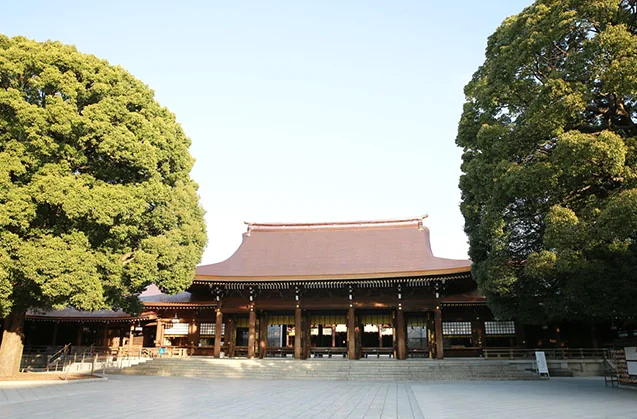
Senso-ji Temple in Asakusa and Meiji Jingu Shrine are the top cultural sites, offering a glimpse into Japan's spiritual history. For modern cityscapes, Shibuya Sky and Roppongi Hills Mori Tower provide the best vantage points for seeing the sprawling metropolis from above.
Traditional Tokyo in Asakusa
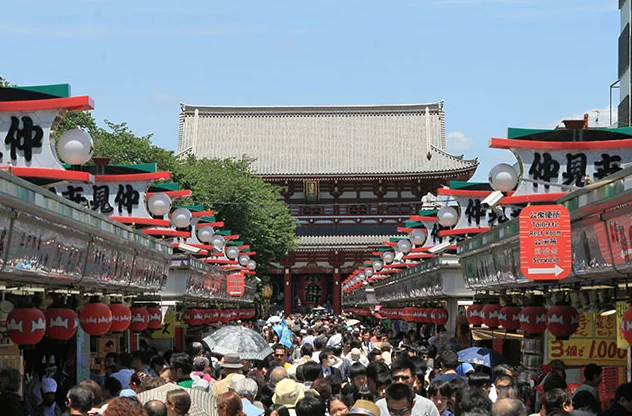
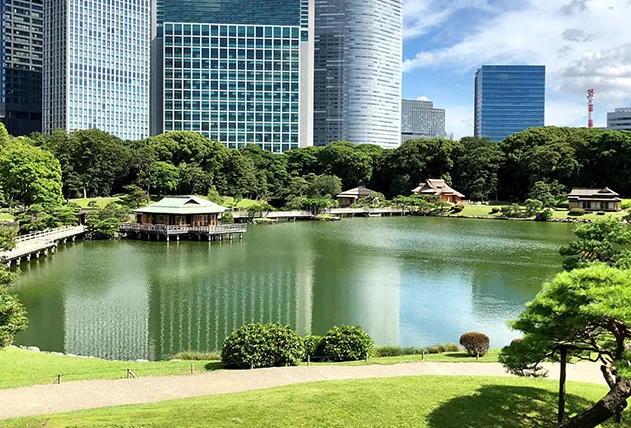
Senso-ji Temple Asakusa is best visited before 9:00 AM to avoid the massive tour groups. Walk through the Kaminarimon Gate and explore the Nakamise-dori shops, where traditional snacks like age-manju cost about ¥300 ($2). If you want a break from the crowds, the nearby Hamarikyu Gardens offers a peaceful pond and tea house surrounded by skyscrapers, accessible via a short walk from Shimbashi Station.
Modern Views from Above
Shibuya Sky is currently the most popular observation deck, but it is often sold out 2 weeks in advance. If you miss out, head to Roppongi Hills Mori Tower. The open-air Sky Deck there feels more authentic and less like a photo-op factory. For a free alternative, the Tokyo Metropolitan Government Building in Shinjuku offers great views, though the windows can be reflective at night.
"Kichijoji is just 15 minutes from Shinjuku by train." — GoTokyo
Shopping and Subculture Hubs
Akihabara is the primary destination for electronics and anime subculture, while Harajuku and Omotesando cater to fashion and architecture enthusiasts. Each district offers a unique atmosphere, from the neon-lit streets of Electric Town to the high-end boutiques of the Ginza shopping district.
Harajuku and Omotesando
Harajuku Takeshita Street is famous for its colorful street food and "kawaii" culture, but it can be claustrophobic on weekends. I prefer walking five minutes over to Omotesando architecture, where the buildings themselves are pieces of art. If you are looking for a quiet retreat, Meiji Jingu Shrine is a 10-minute walk from Harajuku Station's Omotesando exit, providing a massive forested area in the heart of the city.
Subculture in Akihabara
Akihabara Electric Town is the place for retro gaming and niche hobbies. One honest downside is that many shops have become overly touristy with inflated prices. I recommend checking the smaller side-street buildings rather than the main department stores. For general souvenirs, Don Quijote tax-free shopping is a staple; just remember to bring your physical passport to claim the 10% consumption tax refund on purchases over ¥5,500 ($36).
Food, Markets, and Hidden Gems
Tsukiji Outer Market is the best spot for casual seafood grazing, while Toyosu Market is where the professional tuna auctions take place. For a variety of regional flavors in one spot, visit Tokyo Station Ichibangai, also known as Character Street and Ramen Street.
Tsukiji vs Toyosu Market
Tsukiji Outer Market still thrives with energy despite the wholesale move to Toyosu. You can find high-quality sushi sets for around ¥3,500 ($23). Toyosu Market is more sterile and requires a 5:00 AM start to see the auctions, but it is much cleaner and has better climate control. If you are a beer fan, the Yebisu Beer Museum in Ebisu is a great indoor activity where a tasting set costs about ¥1,000 ($6.60).
One of my favorite spots is the Shinjuku Gyoen National Garden. It costs ¥500 ($3.30) to enter, but it is the perfect place to escape the noise. Also, don't miss TeamLab Borderless in Azabudai Hills. I waited 23 minutes in the third queue just to enter one specific room, so wear comfortable shoes and book the earliest morning slot possible to minimize wait times.
Traveler's Checklist for Tokyo
- History: Visit Senso-ji Temple and Hamarikyu Gardens for Edo-period vibes.
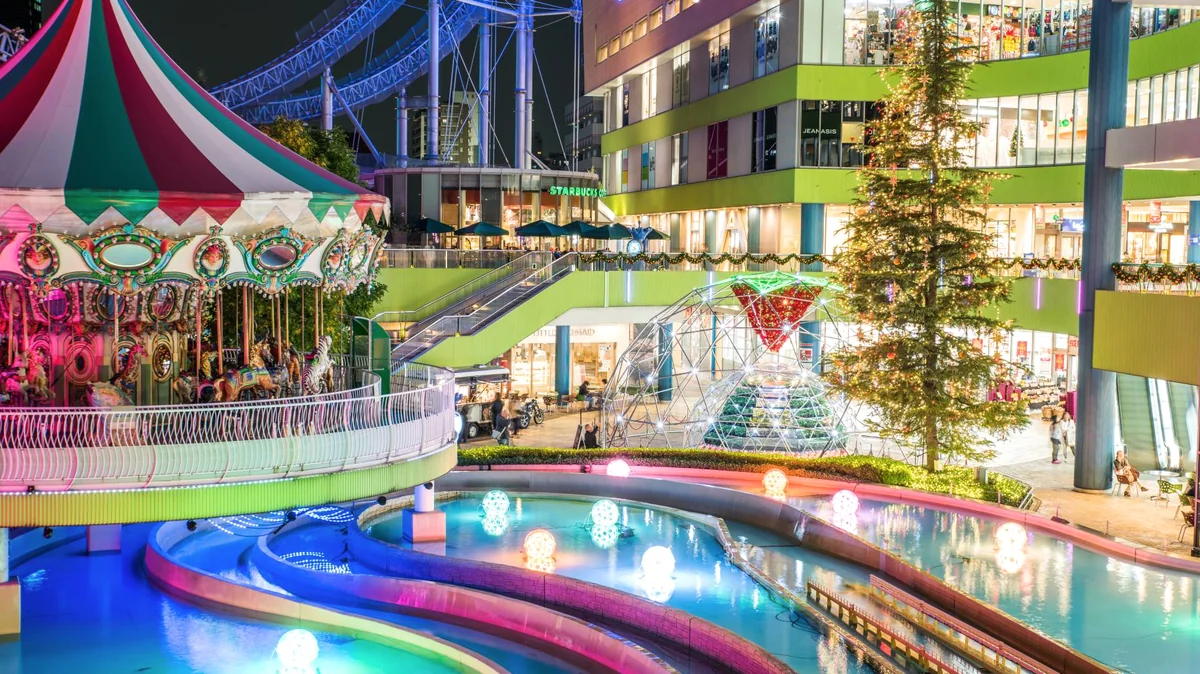
- Romantic: Catch the sunset at Roppongi Hills or see the Tokyo Dome City illumination.
- Subculture: Explore the backstreets of Akihabara and the boutiques in Omotesando. Tokyo is a city of layers. You might start your day at a 1,000-year-old shrine and end it at a digital art museum. My biggest piece of advice: don't try to see it all. Pick two neighborhoods a day and actually walk through them. You'll find that the best experiences aren't the ones you saw on Instagram, but the small 8-seat ramen shop you stumbled into because it smelled like heaven.
Frequently Asked Questions
What are the differences between Suica and Pasmo?
There is almost no functional difference between Suica and Pasmo, so you can choose either one. Both cards can be used on the Tokyo subway, buses, and convenience stores, and recently, the fastest and most convenient way is to issue a mobile card through the iPhone wallet app.
Narita Express vs Skyliner, which do you recommend?
If your accommodation is near Shinjuku, Shibuya, or Tokyo Station, we recommend the Narita Express (NEX). On the other hand, if your destination is Ueno or Nippori, taking the Keisei Skyliner is much more efficient in terms of travel time and cost.
Is it essential to book Shibuya Sky in advance?
Shibuya Sky sells out quickly during popular times, so advance online booking is essential. In particular, tickets are very difficult to obtain during sunset hours, so you should book as soon as possible once your travel schedule is confirmed, and online booking is cheaper than purchasing on-site.
Should I buy a JR Pass for my Tokyo trip?
If you are only traveling within Tokyo, we do not recommend the JR Pass. The JR Pass is only cost-effective when traveling long distances to other cities such as Osaka or Kyoto using the Shinkansen. For travel within Tokyo, an IC transportation card such as Suica or Pasmo is sufficient.
How long does it take to travel to Tokyo?
We recommend a minimum of 3 nights and 4 days to see the main attractions in downtown Tokyo. It is appropriate to allocate major areas such as Shibuya, Asakusa, and Shinjuku one day each, and if you want to visit Disneyland or the nearby Kamakura, a schedule of 4 nights and 5 days or more is appropriate.