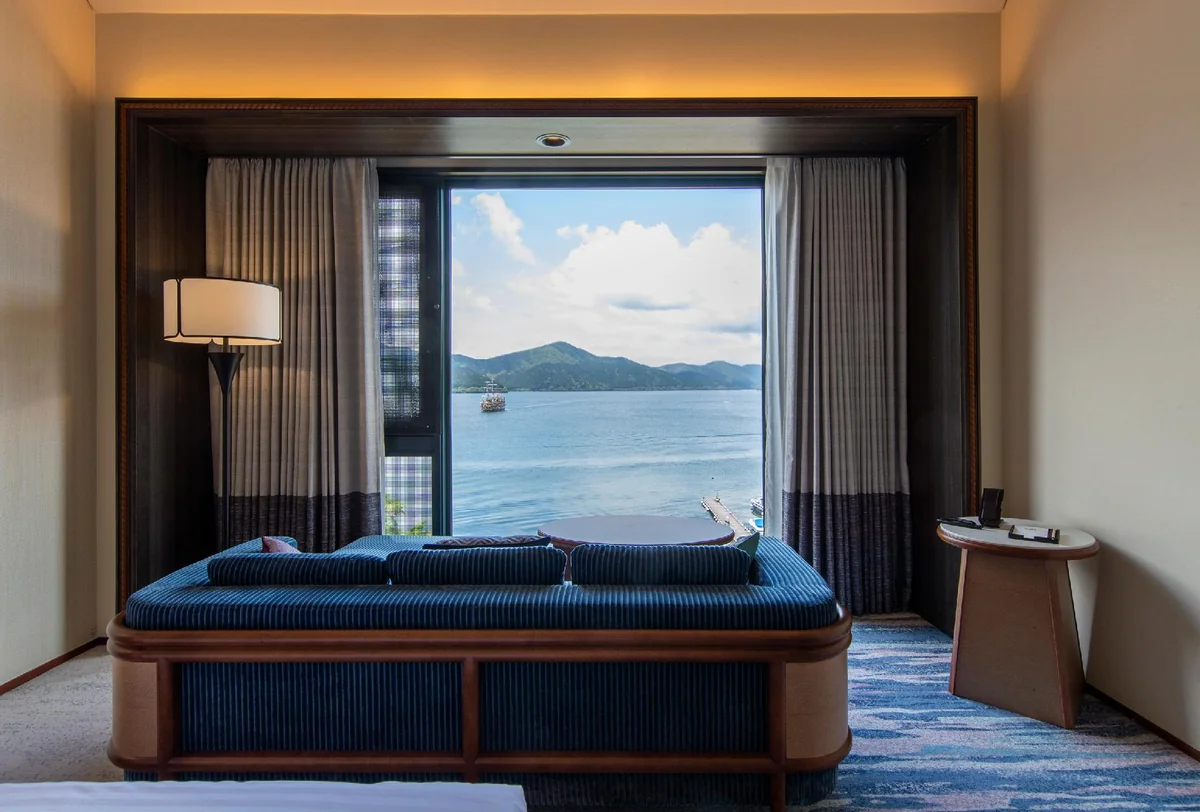
I once paid ¥8,500 ($56) for a taxi because I missed the 8:15 PM bus from Hakone-Yumoto Station. That is when I learned the hard way that this mountain town shuts down early. If you are planning a vacation here, location and logistics dictate everything about your experience. Hakone Hotel sits right on the edge of the water, offering incredible scenery but requiring precise transit planning for your japan travel itinerary. The main downsides? The building exterior shows its older origins in a slightly dated way, and local restaurants around the property close entirely by 7:30 PM. However, if you understand the bus schedules and book the right room, it provides a highly functional, comfortable base. This travel guide breaks down exactly what to expect, how to get there, and whether the views actually justify the nightly rate.
Navigating to Lake Ashi Without Stress
Reaching the property requires taking the Odakyu Romancecar from Shinjuku Station West Exit to Hakone-Yumoto Station, followed by a 39-minute bus ride. You will want to take the Hakone Tozan Bus Route H, which drops you directly near the hotel entrance. Buying the Hakone Free Pass beforehand [1] covers all these local transit legs and saves you from fumbling with coins.
Google Maps works decently here, but it often underestimates wait times at bus stops. I highly recommend using the hands-free travel luggage service at Hakone-Yumoto Station. For about ¥1,100 per bag, they deliver your suitcase straight to the front desk. This allows you to immediately jump on the Tozan Railway switchback train up the mountain for sightseeing instead of dragging a heavy suitcase onto a crowded bus. When comparing Naritasan vs Hakone transit, keep in mind that Naritasan is a quick airport layover trip, whereas reaching this lake requires a dedicated 2.5-hour journey from central Tokyo.
What to Expect from the Rooms and Views
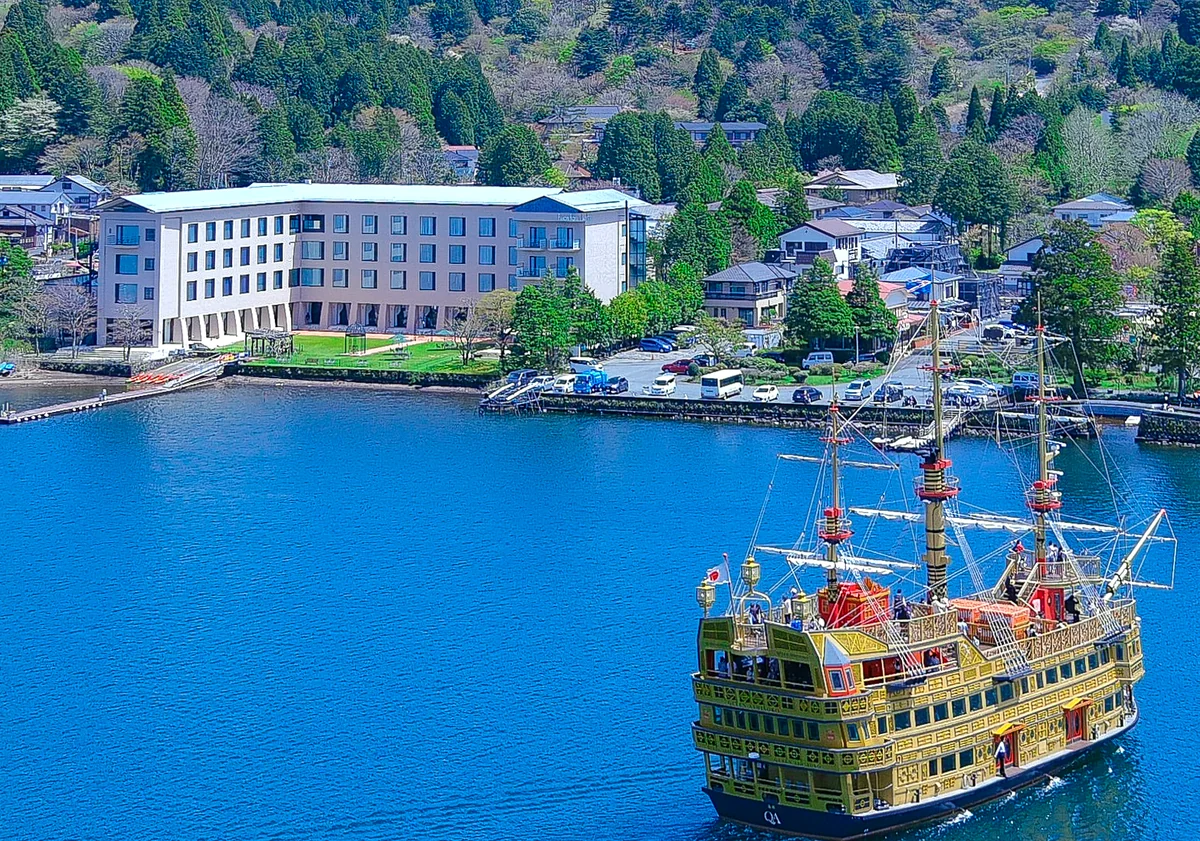
The property offers direct Lake Ashi view options and Mount Fuji visibility on clear winter mornings. While traditional inns offer floor-level tatami mats, this property provides thick western mattresses that many international visitors prefer. The interior spaces are clean and practical, focusing entirely on the scenery outside the windows.
When looking at a typical Ryokan vs Hotel comparison, this property leans heavily into the standard hotel category. You will not find traditional Kaiseki dining served in your room here; instead, the dining room focuses on French-inspired course meals. Based on regional tourism data, the property holds a strong reputation for its scenery.
Ranked 3rd in Kanagawa Prefecture for hotels with a view. During my stay, I noted several specific benefits that justify choosing this exact location over properties further up the mountain:
- Direct Mount Fuji visibility and lake scenery accessible straight from the private garden benches
- The main Hakone Sightseeing Cruise pirate ship pier is located within a very short walking distance (approximately 0.16km)
- Free private parking and on-site hot spring access are included for all overnight guests
How to Secure the Best Rates?
Booking 60 to 90 days in advance using an early bird discount is the most reliable way to lower your accommodation costs. Prices fluctuate heavily, and weekend lake view room rates often jump by 40 percent compared to a quiet Tuesday night.
I usually check for Agoda special deals or direct platform promotions about three months prior to my trip. Here is a realistic breakdown of what you can expect to pay during the standard tourism season.
| Room Category | Nightly Rate (Est.) | View Details |
|---|---|---|
| Standard Mountain Side | ¥22,000 ($146) | Faces the street/trees, zero water visibility |
| Superior Lake Facing | ¥34,000 ($226) | Direct water views from the main window |
| Premium Corner Room | ¥48,000 ($320) | Dual aspect windows, best chance to see the peak |
| Half-Board Package | ¥65,000 ($433) | Includes formal dinner and morning breakfast |
Onsen Experience and Local Attractions
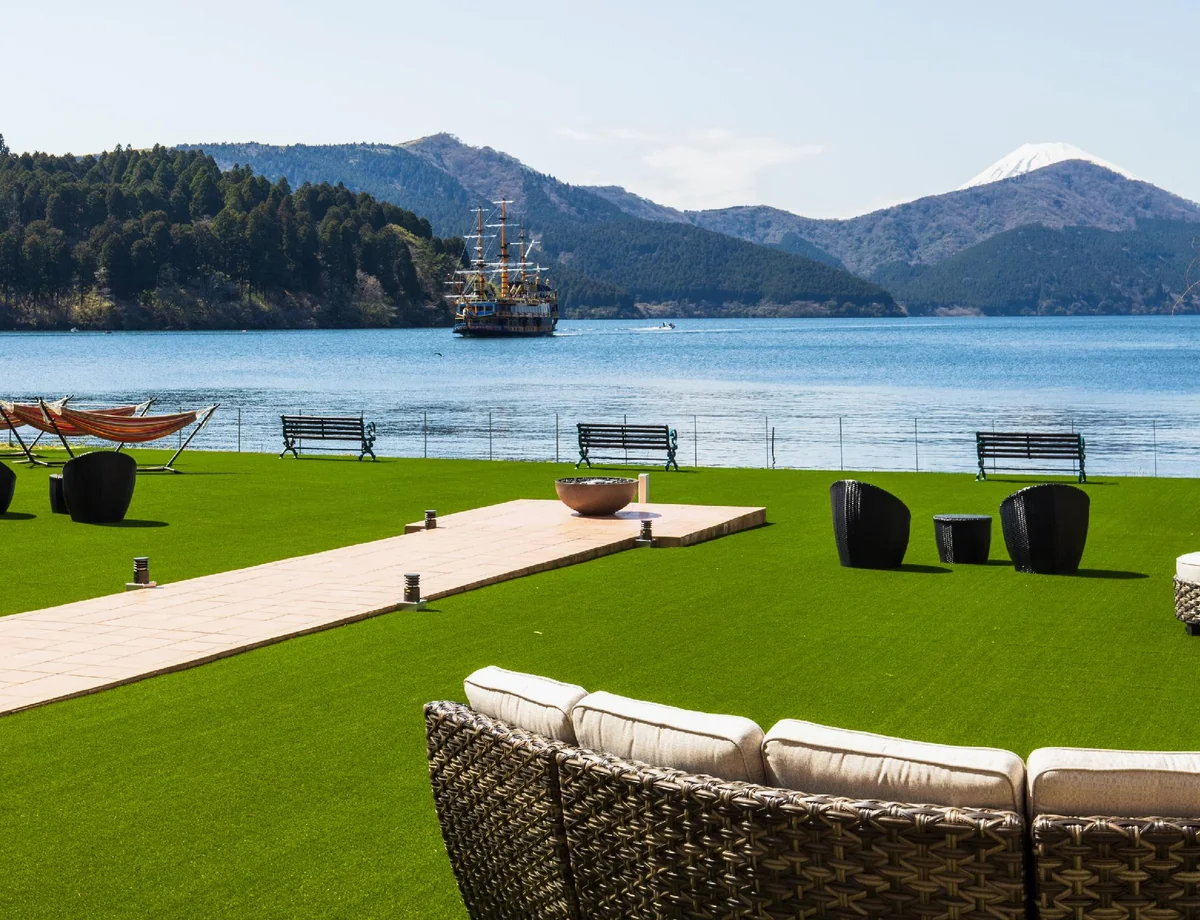
The bathing facilities include indoor and outdoor hot springs overlooking the water, subject to the mandatory ¥150 onsen bath tax collected at checkout. The location serves as an excellent starting point for exploring nearby historical sites on foot.
The baths here are separated by gender and rotate daily so guests can experience both layouts. If you specifically need a private kashikiri onsen (reservable family bath), you will need to look at neighboring boutique ryokans, as this property only offers communal bathing. After a morning soak, you can walk straight out the front door to the Moto-Hakone Boat Pier.
Getting Around the Area
Transportation around the southern edge of the lake relies entirely on buses and boats, as train lines do not extend this far. Planning your daily route around the boat schedule is essential to avoid 45-minute waits at the docks.
From the hotel, you can easily walk to the Hakone Checkpoint museum or take a short bus ride to the famous Hakone Shrine torii gate standing in the water. To reach the Owakudani sulfur vents, take the pirate ship across the water to Togendai, then transfer to the Hakone Ropeway. If you are heading out of the region afterward, there is convenient Mishima Skywalk access via the southbound bus, or you can catch the Gotemba Premium Outlets shuttle for afternoon shopping.
Frequently Asked Questions
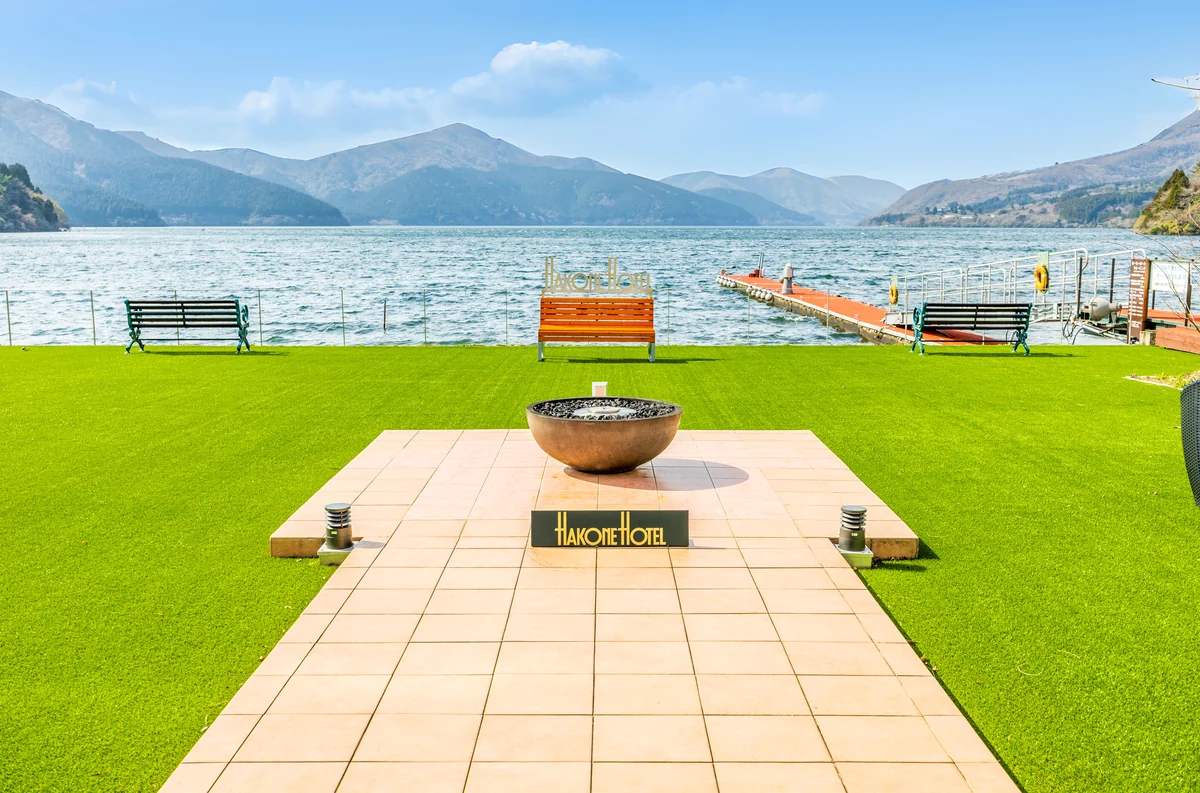
Many readers ask specific questions about property amenities before finalizing their bookings. Here are the exact details regarding common concerns based on the property's official policies.
Q: Are pets allowed at the property? A: No. You cannot stay with pets at this facility. Only registered service animals are permitted on the grounds. Q: Is there a swimming pool available? A: There is no swimming pool at Hakone Hotel. Guests have access to the natural hot spring baths instead. Q: Are there convenience stores nearby? A: The nearest convenience store requires about a 14-minute walk along a road with narrow sidewalks. I highly recommend buying your late-night snacks before checking in. Proper planning prevents most of the headaches associated with mountain town logistics. What transit route are you planning to take for your visit? Let me know in the comments below.