I stepped off the train at 8:15 PM on a Thursday, exhausted from the 4-hour ride from Tokyo. The walk to my accommodation took exactly 8 minutes, but navigating the local streets with a heavy bag taught me a few quick lessons. This property sits right along the water, offering a quiet escape from the downtown noise while keeping you connected to the main transit hubs. If you are planning a vacation and need a practical base, here is exactly what to expect from this specific location based on my recent stay.
Navigating from JR Hiroshima Station to the Hotel
The property is an 8-minute walk from the South Exit of the main railway hub. You simply cross the Ekimae Ohashi bridge and follow the riverbank to reach the entrance.
For anyone using a Japan Rail Pass, the Shinkansen access here is incredibly convenient. Once you exit the ticket gates, ignore the immediate taxi stands unless it is raining. The walking directions from station to the lobby are straightforward: head south, cross the main bridge, and turn right along the water. As someone who writes a travel guide for a living, I appreciate locations that do not require a secondary subway transfer just to drop off bags.
Checking In and Room Features
Check-in is fast and efficient, typically taking under 5 minutes. The rooms feature standard layouts with basic amenities and compact bathrooms.
The English-speaking front desk staff processed my passport quickly. I utilized the free suitcase storage since I arrived three hours before the official check-in time. When I finally got to my floor, the Royal Park Hotel Hiroshima Riverside met all typical business hotel standards. It is clean, functional, and equipped with strong Wi-Fi.
What Does It Actually Cost in 2026?
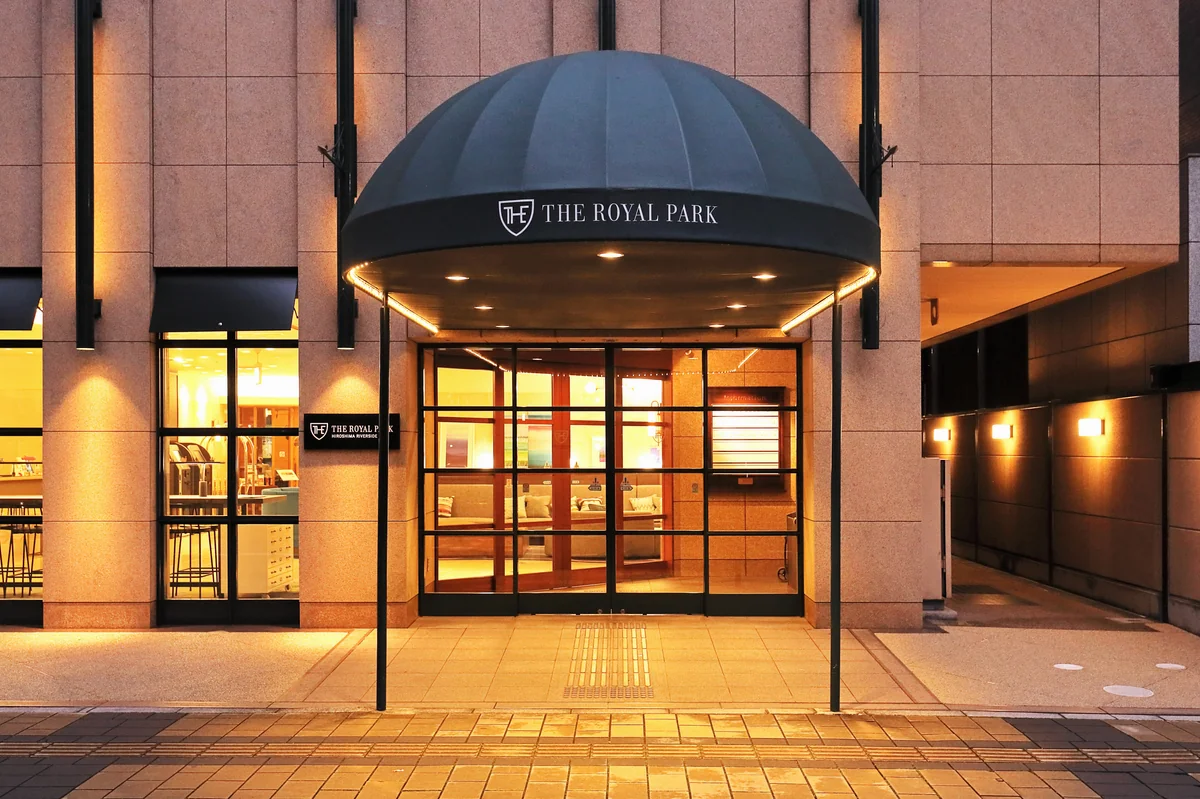
Expect to pay around ¥12,000 per night for a basic room during regular seasons [1]. Prices fluctuate by about 20% during cherry blossom season or major holidays.
Based on current 2026 travel prices, this rate is highly competitive for the region. I checked recent Trip.com hotel reviews, and many travelers highlight the cost-to-value ratio. For longer stays, the building has a coin-operated laundry on the third floor (¥400 for a wash and dry cycle), which saved me from overpacking shirts.
Value Comparison: Riverside vs Downtown
Staying by the water offers larger beds and quieter nights compared to the immediate downtown core. The trade-off is a slightly longer walk to the late-night entertainment districts.
| Accommodation Feature | Royal Park Riverside | Typical Downtown Option |
|---|---|---|
| Average Nightly Rate | ¥12,000 | ¥14,500 |
| Atmosphere | Quiet, scenic | Noisy, urban |
| Room Dimensions | 15-18 sqm | 12-14 sqm |
Exploring the Noboricho District and Beyond
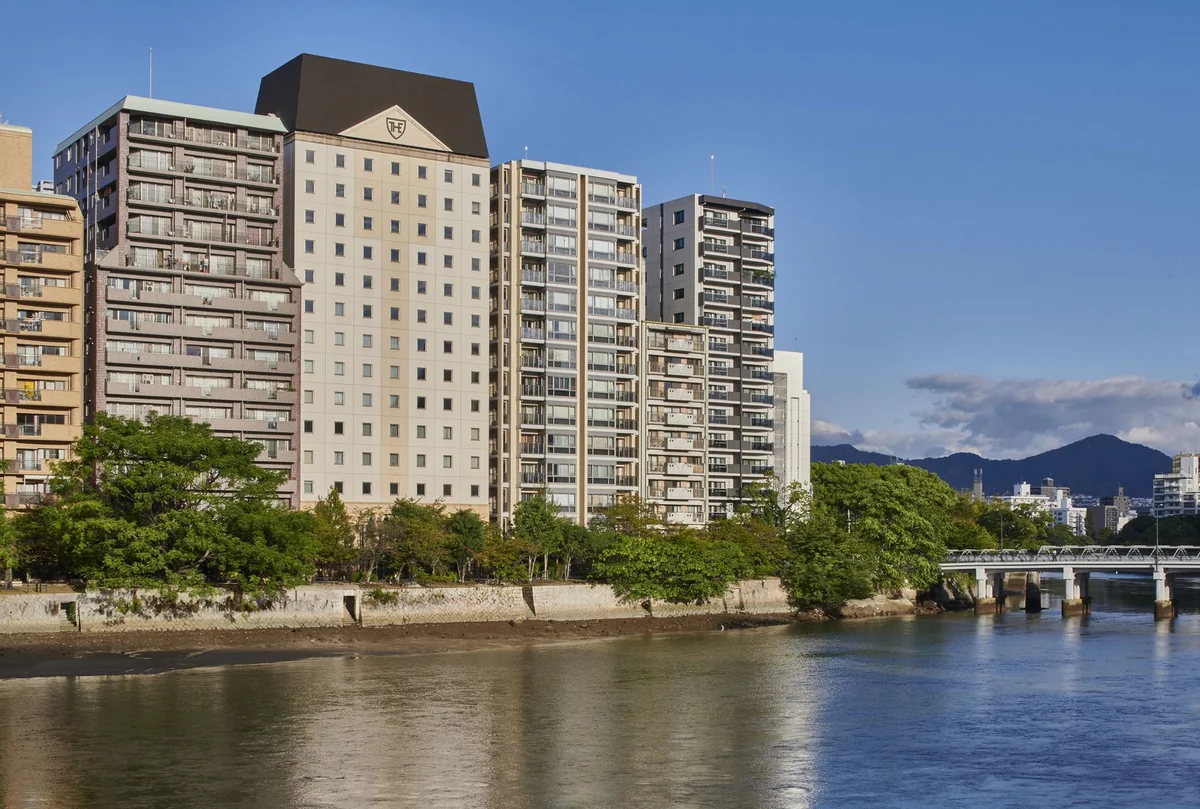
The surrounding neighborhood is residential and calm, featuring excellent local cafes and dining spots. It provides a more authentic, less tourist-heavy atmosphere.
Staying in the Noboricho district means you wake up to a peaceful Kyobashi River view rather than flashing neon signs. Convenience store proximity is excellent, with a 7-Eleven located just 3 minutes down the block for late-night snacks or ATM cash withdrawals. This area feels like a genuine slice of local life, which is a core part of authentic japan travel.
Accessing Major Sights
Most historical landmarks are within a 15 to 25-minute transit ride from the property. The local tram network is the most efficient way to get around.
To reach the Hiroshima Peace Memorial Park and the Atomic Bomb Dome, walk 5 minutes to Kanayama-cho Station and catch the Hiroden streetcar. The ride takes 12 minutes and costs ¥220. If you prefer walking, Shukkeien Garden is a mere 9 minutes away on foot, and Hiroshima Castle is about a 20-minute stroll. I highly recommend using a physical Hiroshima City map navigation guide provided by the front desk, as smartphone GPS sometimes gets confused in the narrow alleys near the water.
Food Options: Breakfast and Local Eats
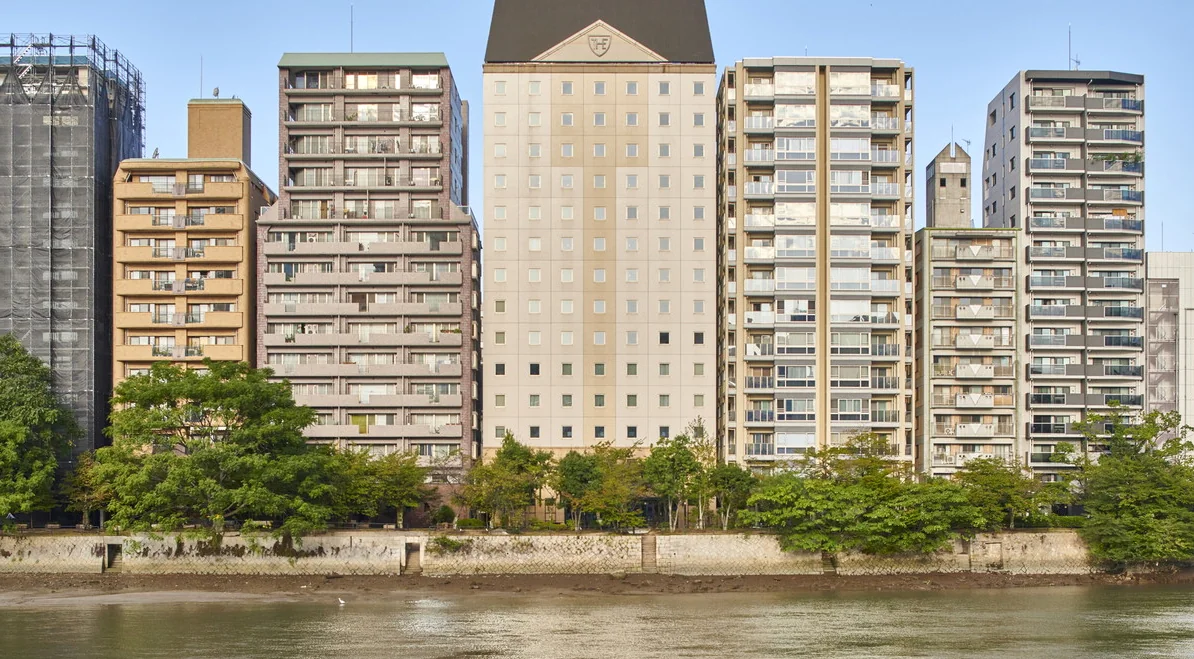
The on-site restaurant serves a mixed morning spread, while the surrounding streets are packed with regional specialty restaurants. You will easily find great meals within walking distance.
I tried the Japanese breakfast buffet (¥1,800). It featured grilled fish, tamagoyaki, and local miso soup—solid, but you can find cheaper morning sets at nearby cafes. For dinner, tourism in this city requires you to try Hiroshima-style okonomiyaki. There is a fantastic, unpretentious spot called Micchan just three blocks away where a massive savory pancake costs ¥950.
The Honest Downsides
The walk from the transit hub can be frustrating with heavy bags, and the room dimensions are tight. These are common issues for urban Japanese accommodations.
Let me be clear about the negatives. The 8-minute walk from the station feels much longer in the rain, especially since there is no underground passage. My workaround: take a taxi for the short distance if it is pouring (it costs around ¥700). Secondly, the Standard Double Room size is very tight (around 15 square meters), leaving almost zero floor space to open two large suitcases simultaneously. I had to store my secondary bag under the bed to maintain walking space.
Summary and Key Takeaways
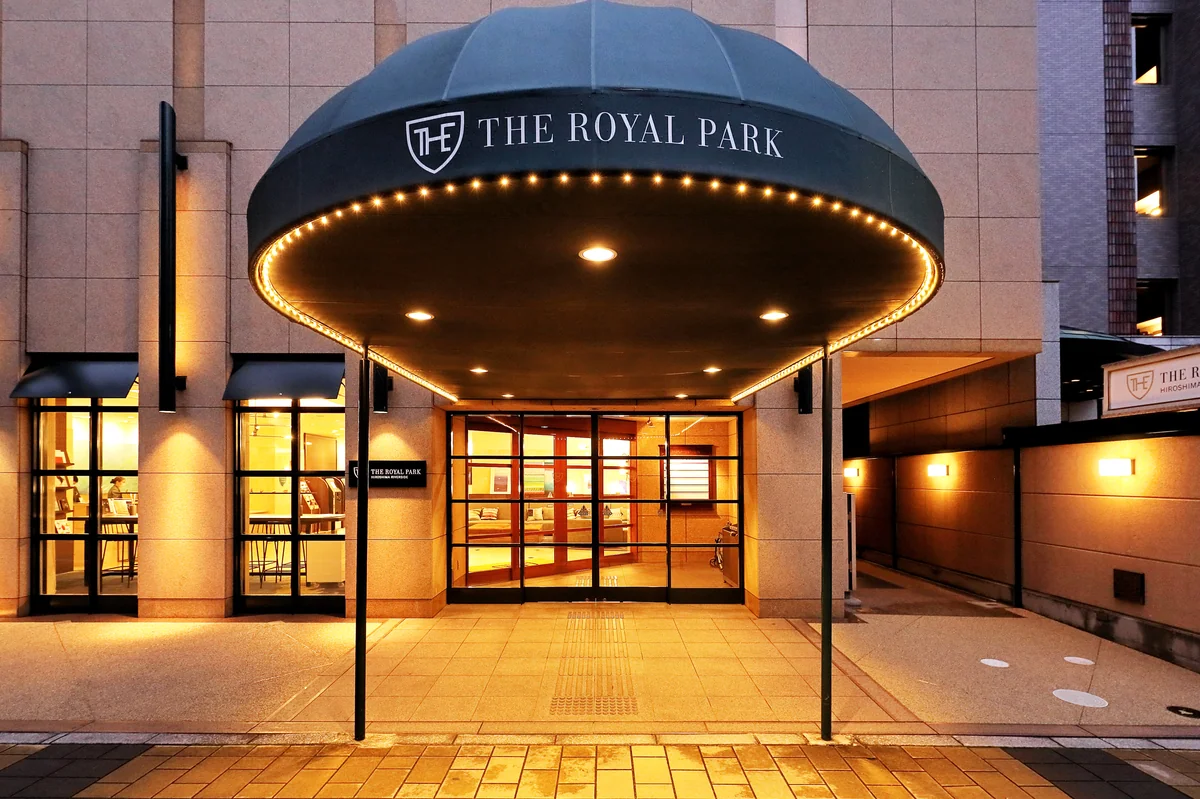
This property balances cost, comfort, and location perfectly for short stays. It is an excellent choice for travelers prioritizing a quiet environment over immediate nightlife access.
As someone who evaluates accommodations frequently, I look for places that make logistics easy without breaking the bank.
Top Benefits of Staying Here:According to the official Trip.com listing, the property provides "excellent comfort and great value." [1]
- Convenient location near the main station and Shukkeien Garden
- Quiet riverside environment away from traffic noise
- Multilingual staff capable of handling international requests
- High hygiene standards with daily thorough cleanings
Frequently Asked Questions
Below are the most common inquiries regarding property policies. These cover animal rules and vehicle storage.
Q: Are pets allowed on the property? A: Pets are not permitted, but service animals (such as guide dogs) are allowed inside the building. Q: Can I reserve a parking spot in advance? A: On-site parking is available but cannot be reserved in advance. Spaces are first-come, first-served, and daily fees apply. What is your priority when booking a room in Japan—proximity to transit, or room size? Drop your thoughts below.