Standing on the platform at Tokyo Station, the high-pitched hum of a Shinkansen pulling in is a sound I never tire of, even after 50 visits to this country. For many travelers, navigating the vast network of the Japan Railways Group is the most intimidating part of planning a vacation. However, once you understand the rhythm of the rails, Japan becomes one of the most accessible places on earth. The Japan Rail Pass (JR Pass) has long been the golden ticket for tourism, offering unlimited travel across the country for a fixed price. While a massive nationwide JR Pass price increase in late 2023 changed the math for many, it remains a powerful tool for those exploring the classic Golden Route itinerary or venturing into rural corners. In this guide, I will share my firsthand experience to help you decide if the pass fits your budget and how to use it like a local professional.
Is the Japan Rail Pass Still Worth It?
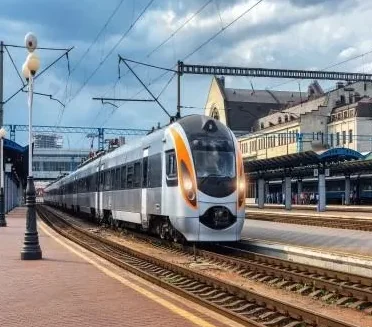
Whether the JR Pass is worth the investment depends entirely on your specific travel density and the total distance you plan to cover. Since the roughly 70% price hike in 2023, the pass is no longer a default purchase; you must use a rail pass calculator to compare the pass cost against a point-to-point ticket comparison for your route.
For a standard round-trip from Tokyo to Kyoto Shinkansen, individual tickets are now often cheaper than a 7-day pass. However, if your journey includes extra legs to Hiroshima, Kanazawa, or Hokkaido, the multi-day validity still offers significant value. Beyond just the yen, the pass provides the convenience of not having to buy separate tickets for every leg of your journey, which can be a major stress-reliever in busy stations.
"Unlimited travel on Japan's rail network is possible within the validity period." [1]
Understanding Regional JR Passes
Regional JR Passes are specialized tickets that cover specific areas like Kansai, Hokkaido, or Kyushu at a much lower price point than the nationwide version. These are excellent alternatives if you plan to stay within one part of Japan rather than traversing the entire country.
| Feature | Nationwide JR Pass | Regional JR Passes |
|---|---|---|
| Coverage Area | All of Japan (JR Lines) | Specific regions (e.g., Kansai, JR East) |
| Best For | Cross-country travel | Deep exploration of one area |
| Price Point | Higher (starts ~¥50,000) | Lower (starts ~¥5,000) |
How to Buy and Activate Your Pass
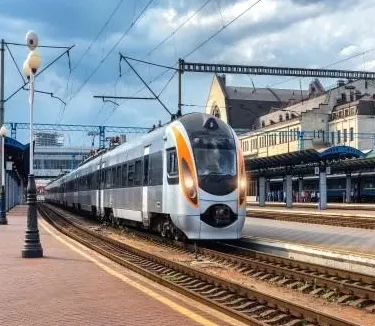
The process begins with purchasing a JR Exchange Order from an authorized seller before you arrive in Japan. Once you land, you must visit one of the JR Exchange Offices located at major airports like Narita or Haneda, or at central hubs like Tokyo Station, to swap the voucher for your actual pass.
I usually recommend ordering your voucher at least 14 days before your trip to account for shipping, though some digital options now exist. When you exchange it, you will need your physical passport with the "Temporary Visitor" stamp. This is a common mistake; if you enter on a work or student visa, you are not eligible for the pass. Once you have the physical pass, you can start using the automatic ticket gates immediately.
Choosing Green Car vs Ordinary Car
The Ordinary Car is the standard choice and is perfectly comfortable, offering more legroom than most international economy flights. If you prefer a quieter environment and wider, plush seats, the Green Car (first class) is a wonderful upgrade for long-distance hauls.
For those who want the peak of luxury, some Shinkansen lines offer Gran Class. This is essentially the equivalent of international first class, featuring leather power-reclining seats and complimentary gourmet meals. I tried it once on the way to Aomori, and while pricey, it made the four-hour journey feel like a spa day. However, for 90% of travelers, the Ordinary Car is more than sufficient.
Mastering the Shinkansen Experience

The Shinkansen is the backbone of Japanese travel, known for its punctuality and speed. To board, you simply insert your JR Pass into the automatic ticket gates, and it will pop out on the other side—don't forget to grab it!
One critical update for 2026 travelers: Nozomi and Mizuho trains, the fastest services on the Tokaido and Sanyo lines, are now accessible to JR Pass holders only if you pay an additional supplement fee. Most pass holders stick to the Hikari or Sakura trains, which are nearly as fast but stop at a few more stations. Before you board, I highly recommend visiting a station kiosk to buy an Ekiben (station bento box). Eating on the Shinkansen is a beloved local tradition, and the seasonal boxes are often culinary highlights of the trip.
The Seat Reservation Process
While some cars are "non-reserved," I always suggest using the seat reservation process to guarantee a spot, especially during peak seasons. You can do this for free at any green reserved-seat ticket machine or a manned ticket office.
If you are traveling with large suitcases, you must be aware of the oversized baggage rules. Bags with total dimensions (length + width + height) between 160cm and 250cm require a specific seat reservation that includes Shinkansen luggage storage space. If you board without this reservation, you may be charged a ¥1,000 fine and forced to move your bags. I've seen tourists struggle with this at the last minute; it's much easier to book the "baggage seat" a day in advance.
Essential Tools for Navigating Japan
While the JR Pass covers major lines like the Yamanote Line in Tokyo and the Haruka Express in Osaka, it does not cover city subways or private bus lines. For these, you will need Suica and Pasmo IC cards, which are rechargeable tap-and-go cards used for local transit and convenience stores.
To plan your routes, I swear by the Japan Travel by NAVITIME app. It has a specific filter that allows you to search for routes covered by the JR Pass, which helps you avoid accidentally taking a private railway that would require an extra fare. Google Maps is also excellent for walking directions, but NAVITIME is superior for train platform numbers and transit timing.
Common Travel Hurdles to Avoid
Even with a pass, Japan's transport can be tricky. Here is a quick checklist of things that often trip up first-time visitors:
- The complexity of purchasing multiple individual train tickets if you don't have a pass.
- Confusion regarding the intricate Japanese transportation system, specifically the difference between JR and private subways.
- Forgetting that the Narita Express requires a reserved seat even if you have a JR Pass.
A: It allows you to travel on almost all JR-operated trains, including Shinkansen and Limited Express trains, for a single upfront cost rather than buying individual tickets.
Q: Can I use the JR Pass to go from Tokyo to Osaka?A: Yes, the Tokaido Shinkansen line connecting Tokyo, Kyoto, and Osaka is fully covered, though the fastest Nozomi trains require a small extra fee.
Q: Which Shinkansen services are covered?A: All Shinkansen services are covered except for the 'Nozomi' and 'Mizuho' lines, which require a supplemental ticket purchase to use with the pass.
Conclusion

Navigating Japan by rail is a rite of passage for any traveler. While the JR Pass is no longer the absolute bargain it once was, it remains a convenient and flexible option for those planning extensive travel across the islands. My best advice is to map out your dream itinerary first, use a calculator to check the costs, and always remember to reserve your seats and baggage space in advance. Japan's trains are more than just transportation; they are a window into the country's meticulous culture and beautiful landscapes. Safe travels!
Frequently Asked Questions
How much is the JR Pass?
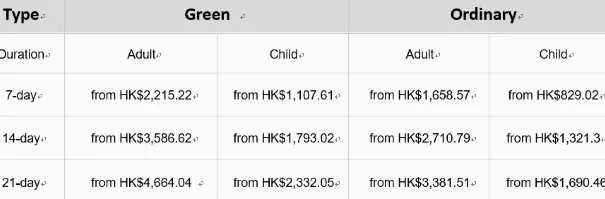
After the price increase in 2023, it is about 50,000 yen for a 7-day adult ordinary car pass. If you are simply traveling round trip between Tokyo and Osaka, it may be cheaper to purchase individual tickets, so we only recommend purchasing it for travelers who will be traveling long distances.
What is the difference between JR Pass Ordinary Car vs. Green Car?
The Green Car is a first-class car with wider and more comfortable seats than the Ordinary Car. If you want a quiet and comfortable rest when traveling long distances on the Shinkansen, it is better to choose the Green Car, and if you want an affordable trip, it is better to choose the Ordinary Car.
Can I take the Nozomi or Mizuho train with the JR Pass?
This is not possible and requires an additional fee to use. Instead, you can enjoy unlimited Shinkansen use without additional cost by using the Hikari or Sakura trains.
How do I use the JR Pass Exchange Order?
Submit the exchange order purchased overseas to the ticket office at a local JR station in Japan along with your passport to exchange it for a physical pass. After that, you can immediately make Shinkansen seat reservations at the unmanned ticket machine or at the counter.
Which do you recommend: a nationwide JR Pass or a regional pass?
If you are traveling all over Japan, a nationwide pass is advantageous, but if you are only traveling to a specific region, a regional JR pass is much more economical. It is important to first check whether your travel route is concentrated in a specific region such as Kansai or Kyushu.