I dragged two heavy suitcases off the bullet train at 10:15 PM last November, exhausted from a long transit. Instead of navigating the crowded subway system with luggage, I jumped into a cab at the station rank. The taxi fare from Nagoya Station (approx. ¥1,200) was worth every yen for the five-minute ride directly to the lobby. The Nagoya Kanko Hotel is a traditional, full-service property that offers a stark contrast to the tiny, hyper-modern pods springing up across the city. If you are planning your vacation and looking at Trip.com member pricing 2026, you will find this property sits squarely in the premium traditional tier.
My verdict after spending three nights here: it delivers exceptional space and classic service, but shows its age in the room decor. The location makes it a highly practical base for both business and tourism, especially if you prefer walking to dining spots rather than relying solely on trains. This is not a trendy boutique spot; it is a reliable, old-school institution that understands hospitality.
How easy is the transit to the property?
Getting to this hotel is incredibly straightforward from major transit hubs. It sits right on the main avenue, making it easily accessible whether you arrive by air or rail.
Navigating from the Airport and Shinkansen
The journey from the airport takes about 45 minutes, while the bullet train station is just a short hop away. You have multiple reliable transit options depending on your luggage situation.
If you fly into Chubu Centrair International Airport (NGO), the fastest route is taking the Meitetsu μ-SKY Limited Express to Nagoya Station. From there, you can either take a quick taxi or use the subway. For JR Nagoya Station Shinkansen access, you just transfer to the subway system. Take the Higashiyama Line transit for one stop and get off at Fushimi Station Exit 8. The hotel is exactly a two-minute walk from this exit. Just remember that Google Maps transit accuracy is usually spot-on in this city, but it sometimes underestimates the time needed to navigate the massive underground station complexes with heavy bags. Add seven minutes to whatever walking time the app suggests for station transfers.
What are the rooms like compared to standard options?
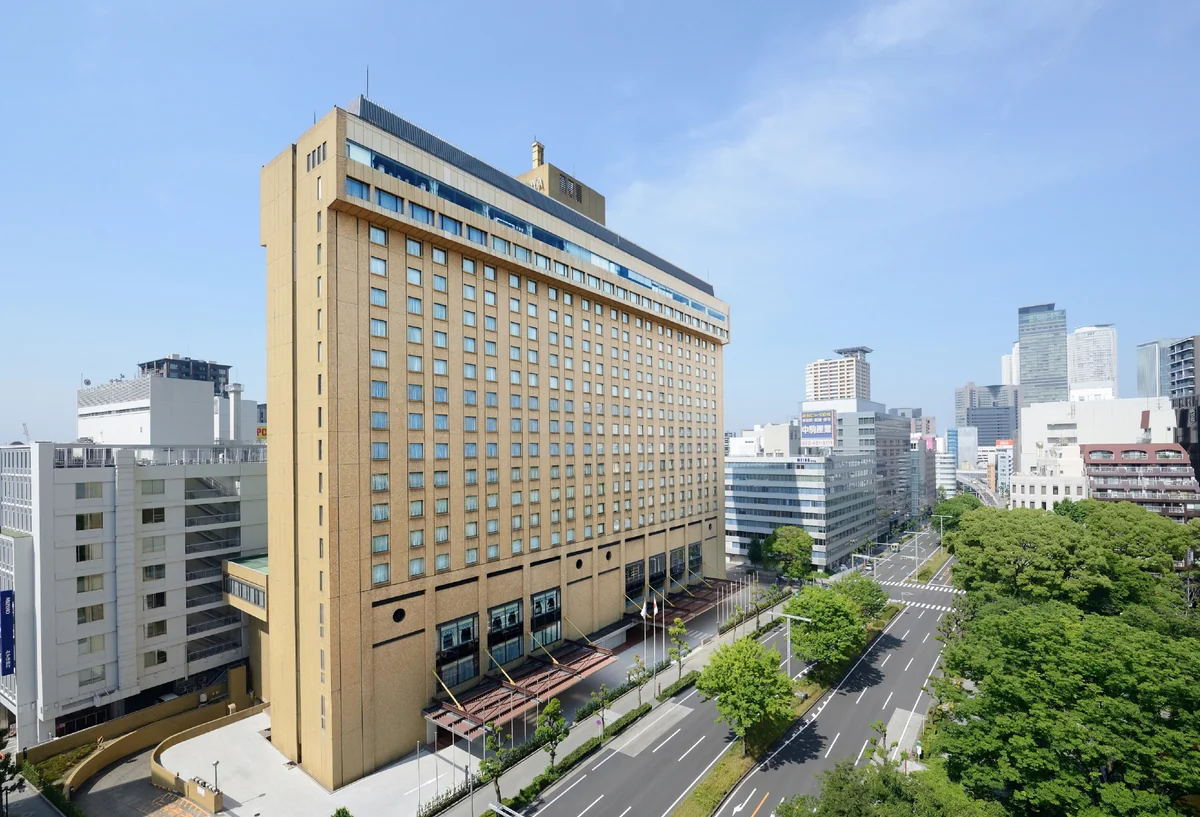
The accommodations here prioritize floor space and traditional comfort over cutting-edge minimalism. You will notice the difference immediately when you open the door and actually have room to open a large suitcase flat on the floor.
Room Size and Design Details
The room size in square meters (m") starts at a generous 24 for standard rooms, going up significantly for suites. This is a massive advantage when doing a Business hotel vs Grand hotel comparison.
In a typical business hotel, you are often squeezing past the end of the bed to reach the bathroom. Here, the layout feels like a proper international hotel. The property also features dedicated Universal design rooms, ensuring accessibility for guests with mobility restrictions. The one downside is the aesthetic. The heavy wooden furniture and patterned carpets feel quite dated, reminiscent of late-90s luxury. It is immaculately clean, but certainly not modern.
| Accommodation Aspect | Nagoya Kanko Hotel | Typical Business Hotel |
|---|---|---|
| Base Floor Space | 24+ square meters | 12-14 square meters |
| Bathroom Layout | Full-size tub and vanity | Compact modular unit |
| Luggage Storage | Dedicated closet space | Under the bed only |
Executive Floor Amenities
Booking a premium tier room grants you access to exclusive services that significantly upgrade your stay. The lounge access alone can justify the price difference if you spend time working at the hotel.
The standard Check-in at 3:00 PM / Check-out at 12:00 PM applies, but Executive Floor guests experience a much smoother, seated registration process. During my stay, I found the lounge particularly useful for quiet morning coffee before the city woke up.
- Complimentary parking provided for staying guests
- Free minibar access and dedicated lounge drink service
- Immediate proximity to Fushimi subway station and local science museums
Where should you eat and explore nearby?
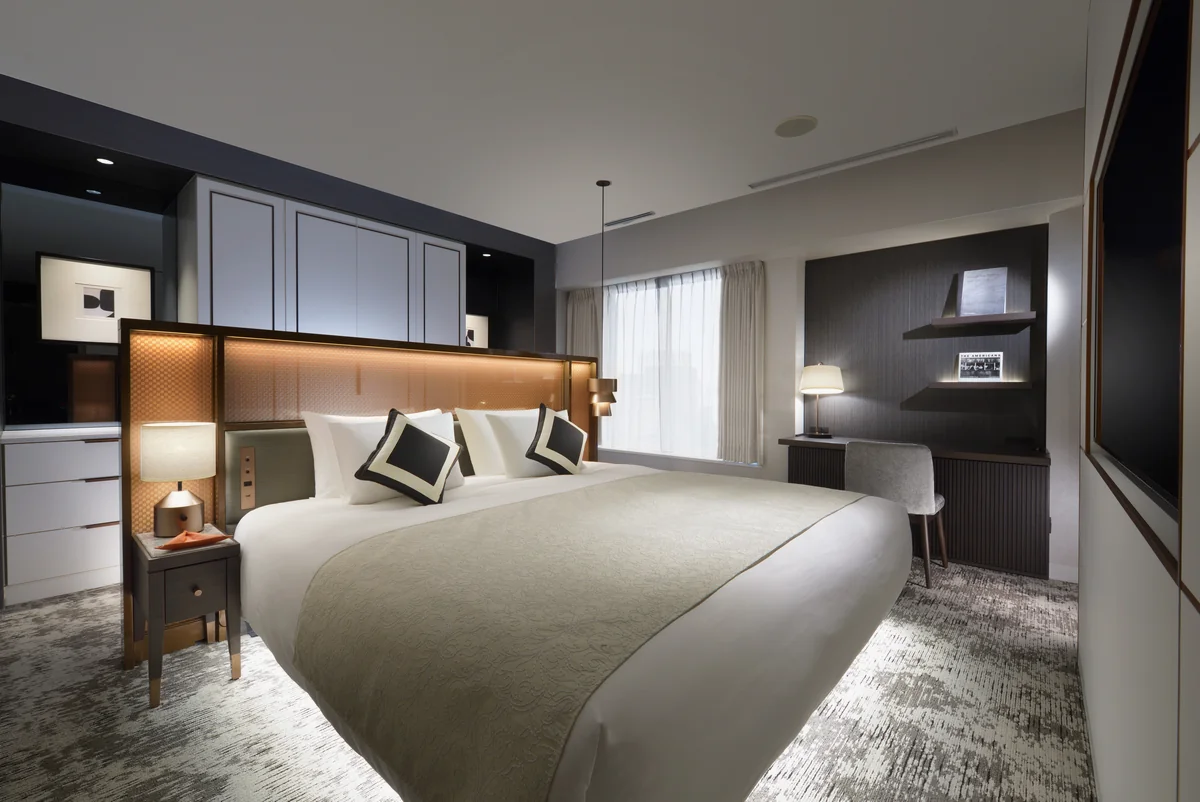
The immediate neighborhood blends corporate offices with fantastic local dining, keeping you away from the worst tourist traps. You are positioned perfectly between the main transit hub and the primary entertainment district.
Local Dining Over Hotel Breakfast
While the hotel food is high quality, the local culinary scene offers better value and authentic regional flavors. I strongly suggest stepping outside the lobby for your meals.
The Breakfast buffet cost ¥3,800 ($25), which is quite steep for a morning meal. Instead of paying this daily, I relied on the FamilyMart and Lawson proximity—both are less than a three-minute walk away for quick morning coffee and onigiri. For dinner, you must try the local specialties. Walk 10 minutes to find excellent restaurants serving Hitsumabushi eel specialty, or head to the famous Miso Katsu Yabaton for their signature deep-fried pork cutlets smothered in rich red miso sauce. The wait for Yabaton is usually 20 minutes, but the line moves quickly.
Walking to Major Attractions
Many of the city's best sights are accessible on foot, saving you from navigating crowded trains during rush hour. The central location is arguably the property's strongest asset.
For a morning walk, follow the Nagoya Castle walking directions north from the hotel; it takes about 25 minutes at a brisk pace. If you prefer shopping and nightlife, the Sakae district nightlife is just a 15-minute walk east. Here you will find the striking Oasis 21 bus terminal and the glowing Nagoya TV Tower (MIRAI TOWER). For traditional shopping, the Osu Kannon Temple market is slightly further south, offering covered arcades filled with vintage clothes and street food. If you plan to use public transit to reach the Toyota Commemorative Museum of Industry and Technology, make sure your Manaca or Suica card compatibility is sorted—both IC cards work perfectly on all local buses and trains.
Practical Tips for Your Japan Travel Guide
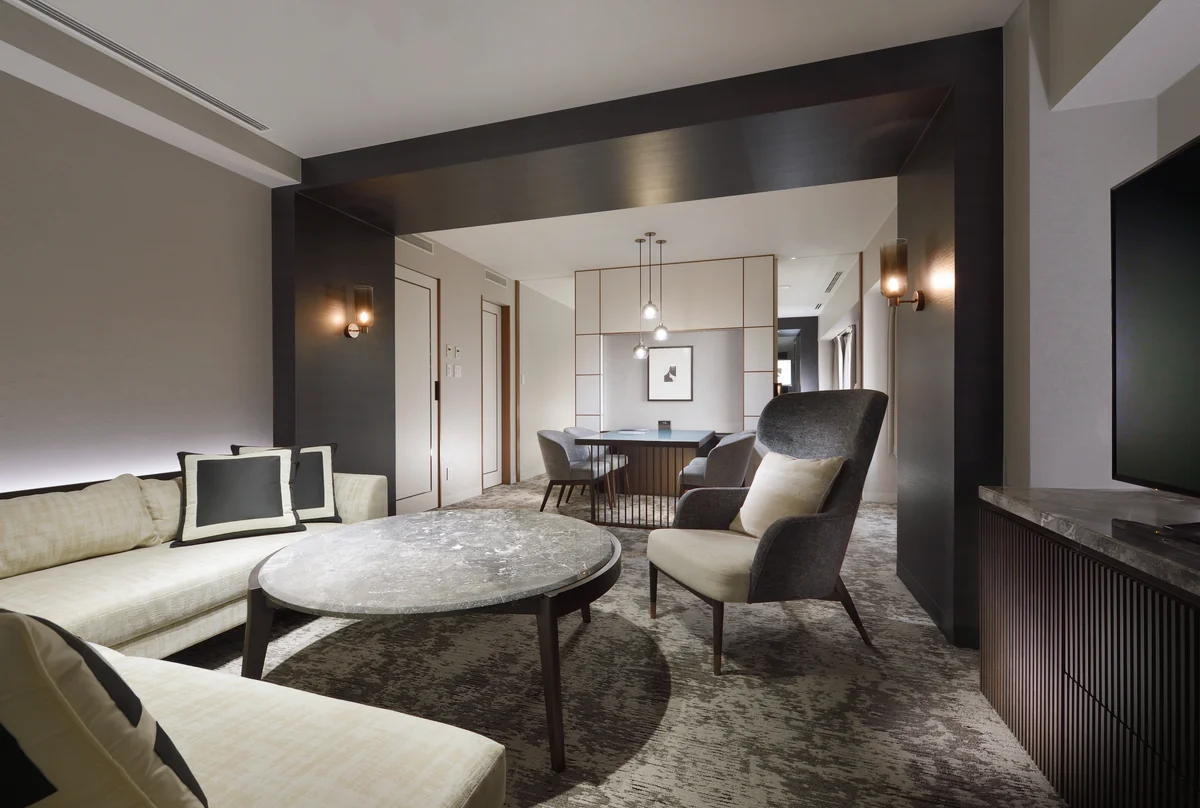
Understanding local logistics will make your trip infinitely more relaxing. The concierge desk here is incredibly helpful for arranging these practical details.
Managing Luggage and Logistics
Handling large bags on Japanese public transit is stressful and sometimes restricted. Utilizing domestic delivery services changes the way you travel entirely.
I highly recommend using the Luggage forwarding (Takkyubin) service available at the front desk. For about ¥2,000, I shipped my heavy suitcase directly to my next hotel in Kyoto, traveling only with a backpack for the transit day. This service is a staple of efficient japan travel. The staff handled the waybill entirely in English.
"The oldest hotel in Nagoya" — Based on information from Property Description This historical status means the staff operates with a level of formal, traditional courtesy that newer properties often lack. It is a genuine piece of local tourism history.
Frequently Asked Questions
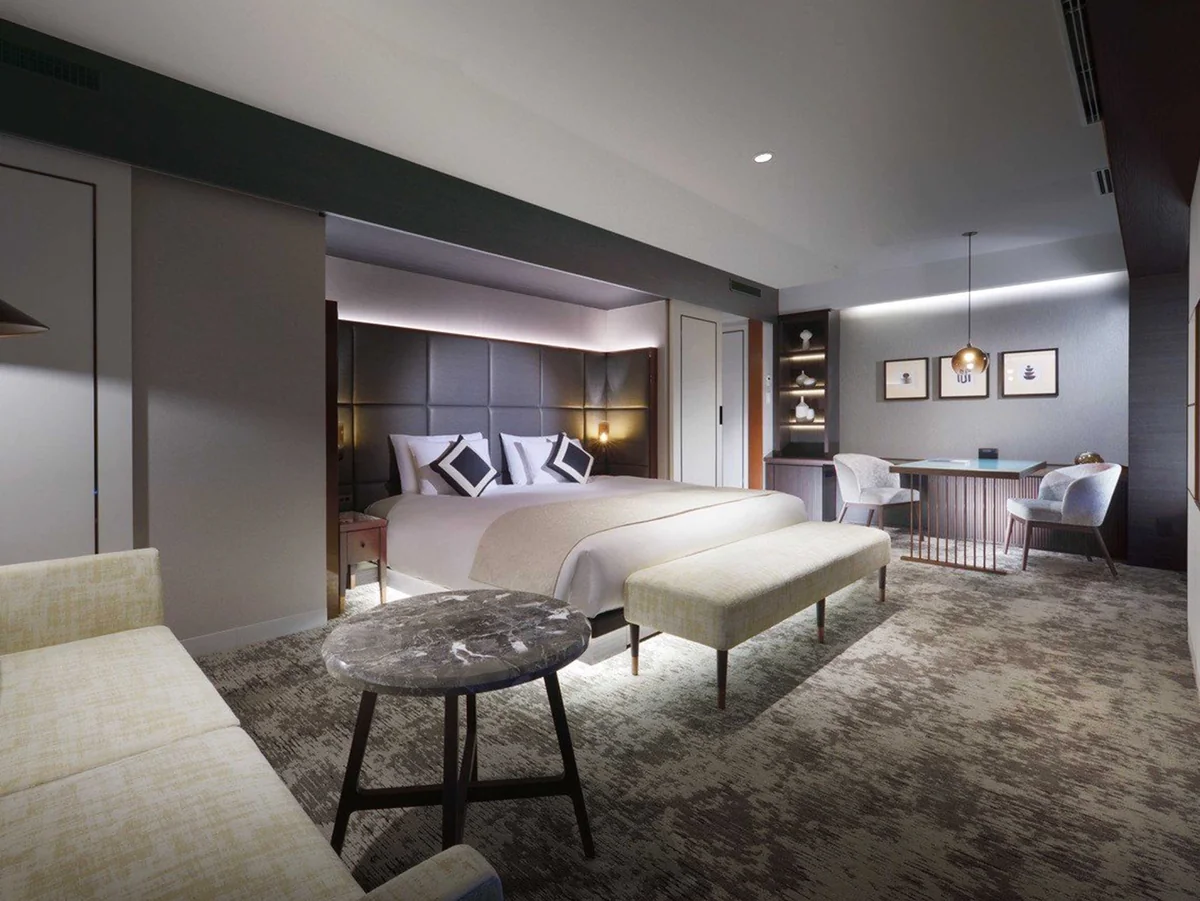
Here are the most common questions travelers have about staying at this specific property. I verified these policies during my recent visit to ensure accuracy.
Q: Are pets allowed at the property?A: No, pets are not permitted to accompany guests during their stay at this hotel.
Q: How much does parking cost?A: Guests staying at the hotel can use the parking facilities completely free of charge.
Q: How do I get there from the airport?A: There is a direct limousine bus that runs from Chubu Centrair International Airport right to the hotel entrance, making it very convenient with heavy luggage.
Choosing the right accommodation dictates the rhythm of your trip. While you might sacrifice ultra-modern aesthetics here, the sheer room size and exceptional transit access make it a highly practical choice for a stress-free stay. Bookmark this guide for your upcoming trip, and let me know in the comments if you prefer grand hotels or modern business pods.