I once spent ¥45,000 ($305) on a last-minute Shinkansen dash from Tokyo to Kanazawa because I miscalculated the full bloom timing by three days. If you're planning a Japan vacation during the sakura season, timing is everything—and it's notoriously fickle. The 2025 japan travel season is expected to follow a warming trend, making the Japan Meteorological Association forecast and the Weathernews bloom report your two most vital tools for success. Based on my 50+ trips, the most reliable window for Central Japan is usually the last week of March through the first week of April. However, the difference between the first opening and the actual sakura full bloom timing is a narrow window of about 5 to 7 days. During this peak, a standard hotel price ¥25,000 ($170) per night becomes the norm for even basic business hotels. This guide breaks down the logistics I've learned the hard way, from navigating the Shinjuku Gyoen English garden exit direction to avoiding the 5-minute Google Maps walking time error in crowded stations.
Reliable Japan Cherry Blossom Bloom Dates and Forecasts
The most accurate Japan cherry blossom bloom dates are released by the Japan Meteorological Association starting in January, with updates every two weeks. For 2025, early reports suggest a slightly earlier start due to rising spring temperatures across the archipelago.
When you look at the Japan Meteorological Association forecast, pay attention to two terms: Kaika (first bloom) and Mankai (full bloom). Most travelers make the mistake of arriving for the first bloom, only to find bare branches with a few pink dots. You want to be there for Mankai. If you are heading south, Fukuoka Maizuru Park often peaks earlier than Tokyo, while the Sapporo Maruyama Park bloom date rarely occurs before the first week of May. I always cross-reference the official government data with the Weathernews bloom report, as the latter uses crowd-sourced photos from locals to provide real-time updates on petal density.
Key Benefits of Official Forecasts
- High reliability of information from official Japanese government bodies.
- Comprehensive regional guides covering the entire country from Okinawa to Hokkaido.
- Enhanced accessibility through multi-language support for international tourism.
Tokyo's Top Sakura Spots and Navigation Hacks
 The best cherry blossom spots in Tokyo include Ueno Park, Shinjuku Gyoen, and the Meguro River, each offering a different atmosphere. To maximize your time, use a Tokyo Metro 1-day pass to hop between these locations without worrying about individual ticket costs.
In Tokyo Ueno Park Shinobazu Pond, the reflection of the trees on the water is stunning, but the crowds are intense. I recommend arriving by 7:30 AM to secure one of the better hanami mat spots. For a more manicured experience, head to Shinjuku Gyoen. Keep in mind that the Shinjuku Gyoen English garden exit direction (near the Sendagaya Gate) is the most efficient way to exit if you're heading toward the Meiji Jingu area. If you're coming from the airport, grab Narita Express discount tickets to Shinjuku Station, but be prepared for the crowd; the station is a maze. Always look for coin lockers near cherry blossom spots early in the morning, as they fill up by 10 AM. If you miss out, some department stores like Isetan offer temporary luggage storage for a fee.
Night Views and River Walks
The Nakameguro Meguro River light-up is arguably the most famous evening view in the city. While beautiful, the path is extremely narrow, and the Google Maps walking time error can be as much as 10 minutes here due to the sheer volume of people moving at a snail's pace.
For those who want to be on the water, the Chidorigafuchi boat operating hours typically run from 9:00 AM to 8:30 PM during peak season. Expect a wait time of at least 60 to 90 minutes. After dark, yozakura night viewing fees at specific gardens usually range from ¥500 to ¥1,000 ($3.40 to $6.80). While walking, keep an eye out for Japanese convenience store limited Sakura desserts—the cherry blossom flavored mochi at Lawson is surprisingly authentic and costs less than ¥200.
Kyoto and Osaka: Traditional Vistas
 Kyoto and Osaka offer a more historical backdrop for blossoms, with the Arashiyama district and Osaka Castle being the primary draws. These areas require more walking, so ensure your Suica or Pasmo mobile recharge is topped up to handle frequent bus and private railway transfers.
In Kyoto, the Kyoto Arashiyama Katsura River area is best viewed from the Togetsukyo Bridge. I usually suggest staying in an Airbnb in Kyoto residential areas like Nakagyo-ku to get a feel for local life, as hotels in the city center easily exceed the hotel price ¥25,000 mark during peak weeks. For a serene walk, follow the Philosopher's Path walking route, but do it in reverse (from north to south) to avoid the heaviest tourist flow arriving from the Silver Pavilion. In Osaka, the Osaka Castle Park Nishinomaru Garden is the place for a picnic. Sakura festival food stall (Yatai) prices have risen lately; expect to pay ¥600 ($4.10) for yakisoba and ¥800 ($5.45) for a large chocolate-covered banana.
"Travelers are provided with free advice and information to ensure a smooth journey through the peak season." — Japan Travel Official Guide
Essential Logistics and Weather Prep
 Successful travel during the sakura season requires early JR Pass Shinkansen seat reservations and appropriate Japan March weather and clothing. Temperatures can fluctuate between 5°C and 15°C (41°F to 59°F), so layering is mandatory.
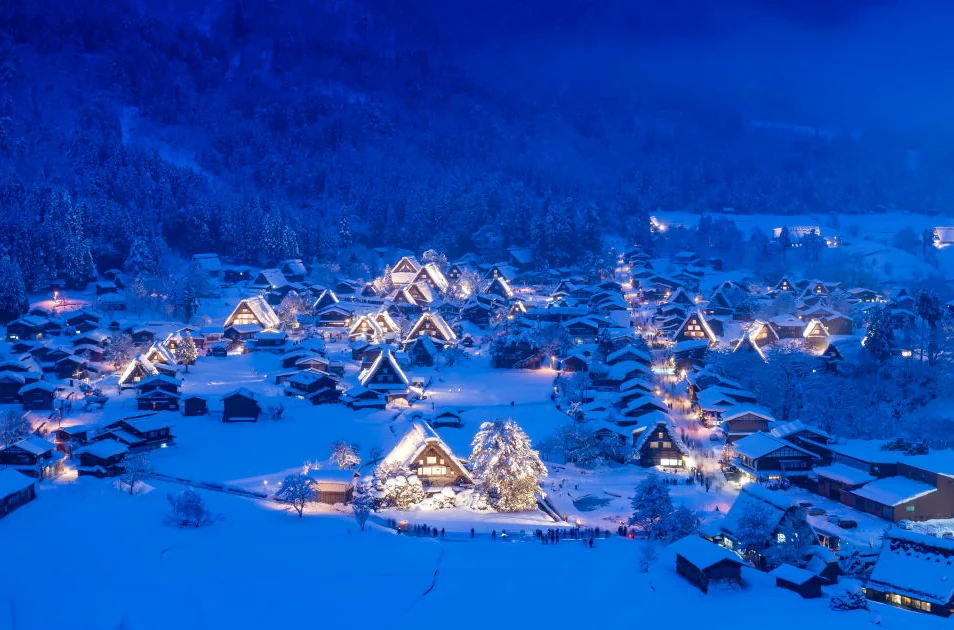
If you're planning to chase the bloom across regions, remember that the JR Pass no longer covers the fastest Nozomi trains without a hefty supplement. Book your seats at least 3 weeks in advance. For those visiting in late April, you can still see snow-capped mountains and blossoms together. For instance, high-altitude blossoms in the North Alps can be seen in late April using a ¥10,000 ($68) regional pass. Alternatively, if you take a bus from Nagoya Station, you can see the winter-like scenery of Shirakawa-go village before the spring fully takes over. If you're in Shizuoka, try paragliding at Asagiri Highlands with Mt. Fuji in the background for a unique view of the season's change.
| Item | Content |
|---|---|
| Data Source | Japan Meteorological Association & Weathernews |
| Update Frequency | Bi-weekly (Jan-Feb), Daily (March-April) |
| Coverage | Over 1,000 viewing spots nationwide |
Conclusion
 Visiting Japan during the cherry blossom season is a logistical challenge that rewards the well-prepared. By tracking the Japan Meteorological Association forecast and allowing extra time for the Google Maps walking time error, you can navigate the crowds with much less stress. My final piece of advice: don't just stick to the famous spots. Sometimes the most memorable sakura moment is finding a single, glowing tree in a quiet Kyoto alleyway rather than fighting the masses at a major park. Pack your layers, charge your Suica, and prepare for a beautiful, albeit crowded, adventure.