I missed the limited express Spacia train at Asakusa Station by exactly two minutes last November. Waiting 55 minutes for the next one meant missing my entry time slot, effectively ruining my meticulously planned day trip from Tokyo. That is when I realized relying on public transit for deep mountain regions is a massive gamble, especially during the autumn foliage peak season. Booking a private charter vehicle changes the entire dynamic of this vacation. Instead of fighting crowds at Tobu Nikko Station or stressing over local bus schedules, you get door-to-door service directly from your hotel lobby. This travel guide covers my firsthand experience navigating Japan travel logistics, focusing on why customized itinerary planning works best for UNESCO World Heritage sites. Whether you want to see the clear blue waters of Lake Chuzenji or try local yuba cuisine (bean curd skin), having a dedicated driver solves the biggest tourism headache in Tochigi Prefecture: transportation.
Private Tour vs Group Bus Tour: The Real Difference
A private tour costs roughly 40% more upfront but saves about 2.5 hours of transit time compared to group buses. You control the schedule entirely, avoiding the rigid 45-minute stop limits typical of large commercial tours.
When doing a JR Tobu Nikko Pass comparison, the math looks appealing for solo travelers. A regional pass costs around ¥4,780. However, once you arrive, you are completely at the mercy of local buses. During peak seasons, these buses get so full they simply drive past waiting passengers. I spent 45 minutes standing in the freezing rain at a bus stop near the shrines last year because three full buses passed me by.
- Public Transit Option: Lower base cost, rigid schedules, high risk of standing on crowded mountain buses for 50 minutes.
- Private Charter Option: Higher base rate, flexible routing, guaranteed seating, and climate control.
With a private setup, you usually ride in a Toyota Alphard/Vellfire. These vans fit up to six passengers comfortably. Having an English/Korean speaking driver means you can adjust plans on the fly. If it starts raining heavily, you simply text them to pull up directly to the exit gate.
Planning Your Nikko Customized Itinerary
A realistic itinerary allows for three to four major stops before heading back to the city. Focus on one geographic cluster, like the upper lake area or the central shrines, to minimize driving time between locations.
Traffic congestion management is the most critical part of your day. The Irohazaka Winding Road, which connects the lower town to the upper mountains, turns into a literal parking lot by 10:30 AM on October weekends. Your driver will likely suggest leaving your hotel by 7:15 AM to beat the rush.
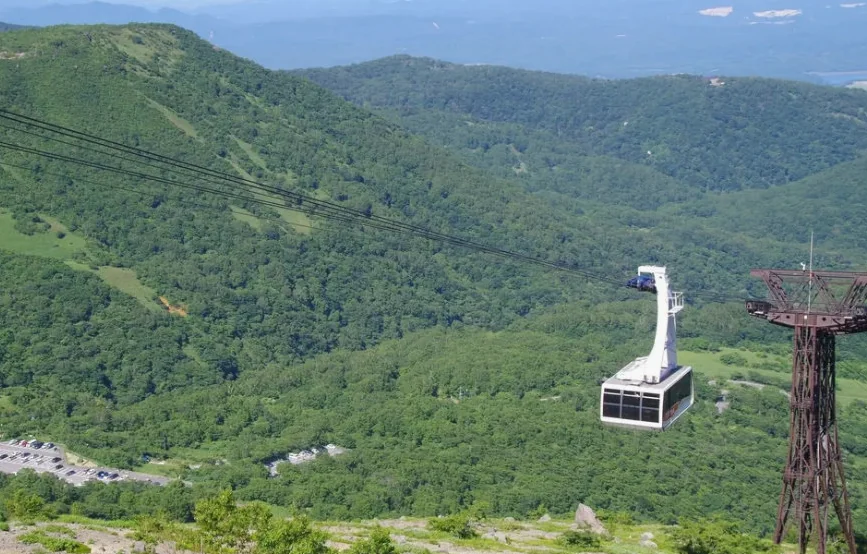
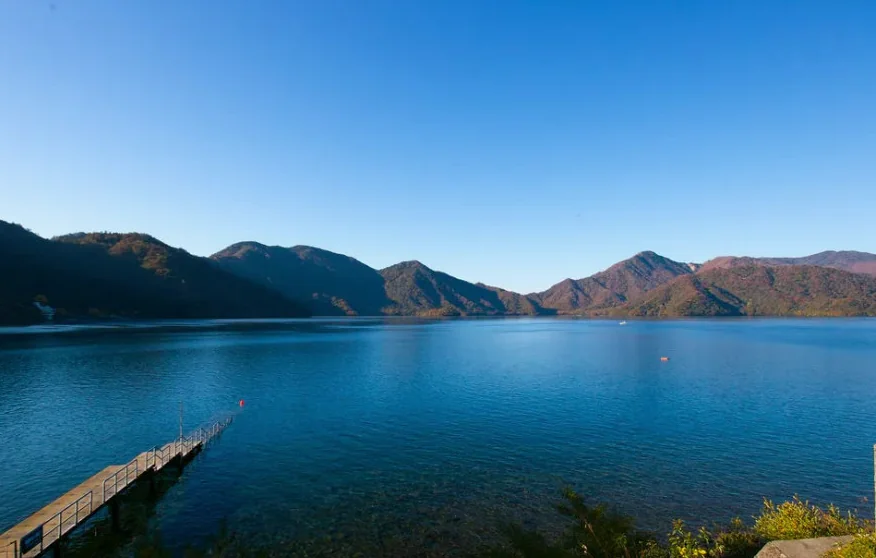
Once up the mountain, you can take the white ropeway crossing the green mountains at Akechidaira for panoramic views, then head straight to Kegon Falls. Seeing the tranquil view of Lake Chuzenji spread out under the blue sky, far from the chaotic city center, makes the early wake-up call completely worth it.
- Akechidaira Ropeway (arrive before 9:00 AM to avoid lines)
- Kegon Falls observation deck (takes about 45 minutes)
- Lake Chuzenji boat pier and walking path
- Chuzenji Temple
Central Nikko and Cultural Sites
The central area requires about three hours to explore properly, including the main shrines and historical villas. Arrive by 9:00 AM or after 2:30 PM to beat the massive tour group crowds.
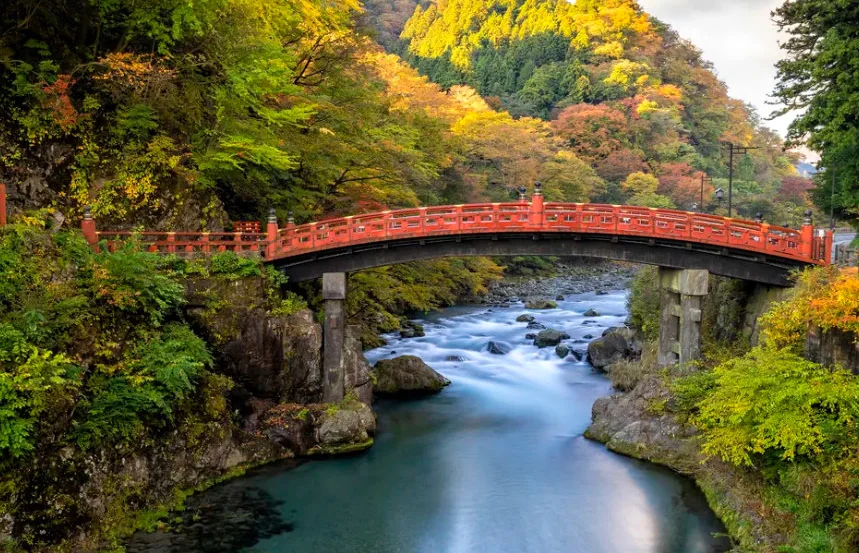
Your first stop should be the iconic red Shinkyo Bridge towering over the autumn valley. It costs ¥500 to walk across the wooden planks, but the best photos are actually taken from the adjacent highway bridge for free. From there, head up the hill to the Nikko Toshogu Shrine. The carvings are spectacular, but the crowds can be overwhelming.
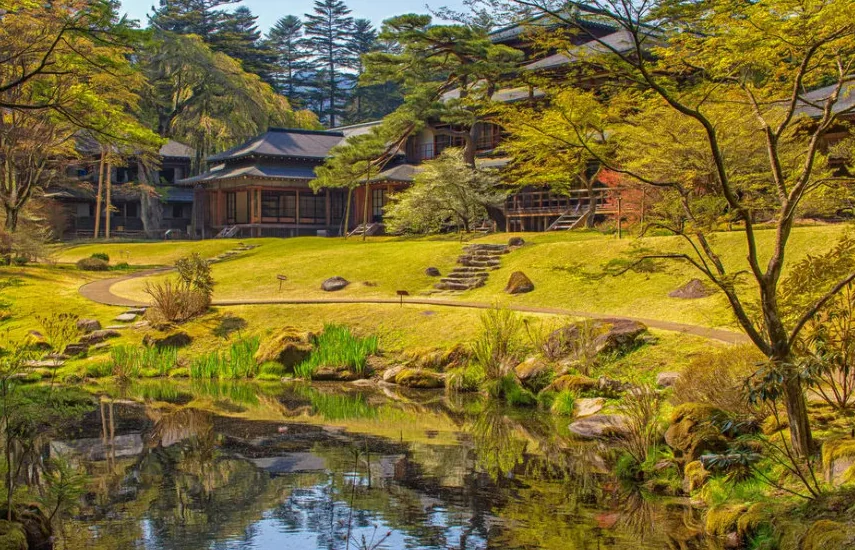
If you want to escape the masses entirely, ask your driver to take you to the Tamozawa Imperial Villa or the Kanmangafuchi Abyss. The abyss features traditional architecture and small ponds nestled deep in the green forest, offering a quiet contrast to the busy main shrines. Families might also consider dedicating half their day to Nikko Edomura EDO WONDERLAND, though it requires a solid four hours to justify the ¥5,800 entry fee.
Understanding Tour Costs and Hidden Fees
Base charter prices typically cover the vehicle and driver for 10 hours, but exclude entrance tickets and meals. You must budget an extra ¥5,000 to ¥8,000 per day for variable driving expenses.
When booking, read the fine print regarding pick-up and drop-off logistics. While Tokyo 23-ward pickups are standard, hotels in Chiba or Yokohama often trigger extra fees. Communication with your driver usually happens via messaging apps the day before your trip to confirm the exact meeting spot.
- Highway Tolls and Parking Fees: Usually around ¥6,000 to ¥7,500 total for a round trip from Shinjuku.
- Fuel Surcharge: Sometimes applied during winter months or if you request destinations far outside the standard zone.
- Overtime Charges: Typically ¥5,000 per hour if you exceed the 10-hour limit due to late departures.
Frequently Asked Questions
Planning a private charter involves specific logistical questions regarding timing and inclusions. Here are the most common concerns travelers have before booking.
Q: Are entrance fees included in the private charter price?
A: No, base prices only cover the vehicle, driver, and their time. You must pay for your own shrine tickets, ropeway passes, and meals directly at the venues.
Q: What happens if we get stuck in severe mountain traffic?
A: If the delay is caused by standard seasonal traffic on the Irohazaka Winding Road, most reputable companies will wave the overtime fees, but you should confirm this policy in writing before booking.
Q: Can the driver act as a tour guide inside the shrines?
A: Generally, no. The driver stays with the vehicle to ensure it is parked legally and ready for your return. They provide commentary during the drive but do not walk you through the historical sites.
Booking a private vehicle for this specific region is less about luxury and more about basic efficiency. The public transit network here simply cannot handle the volume of visitors during peak months. By splitting the cost of a charter van among four or five people, you secure a stress-free day and actually get to see the sites you traveled all the way to Japan for.