Dragging a 24-inch suitcase across cobblestones in the summer heat is a rookie japan travel mistake. I learned this the hard way back in 2018 during my first trip to the Kansai region. Now, when I plan a vacation itinerary, transit proximity dictates exactly where I sleep. During my recent November stay, I booked this specific property because it sits literally on top of the train tracks, eliminating the dreaded luggage drag entirely. This travel guide breaks down what you actually get for your money this year, the hidden transit advantages, and why the morning meal alone might justify the room rate.
Why Location is Everything for Nara Tourism
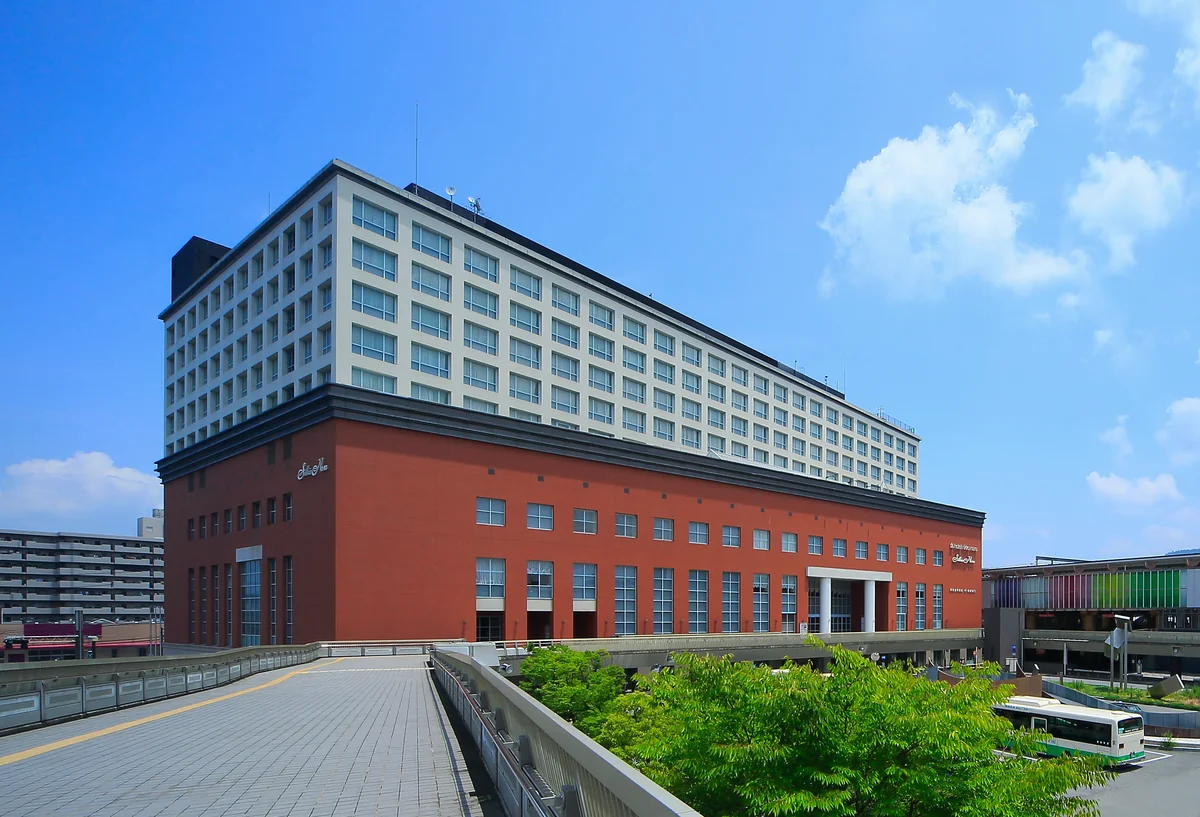
The most strategic area to stay in Nara is directly connected to the major transit hubs, saving you time and taxi fares. Hotel Nikko Nara offers direct station access, meaning you walk out of the ticket gates and into the lobby in under 60 seconds.
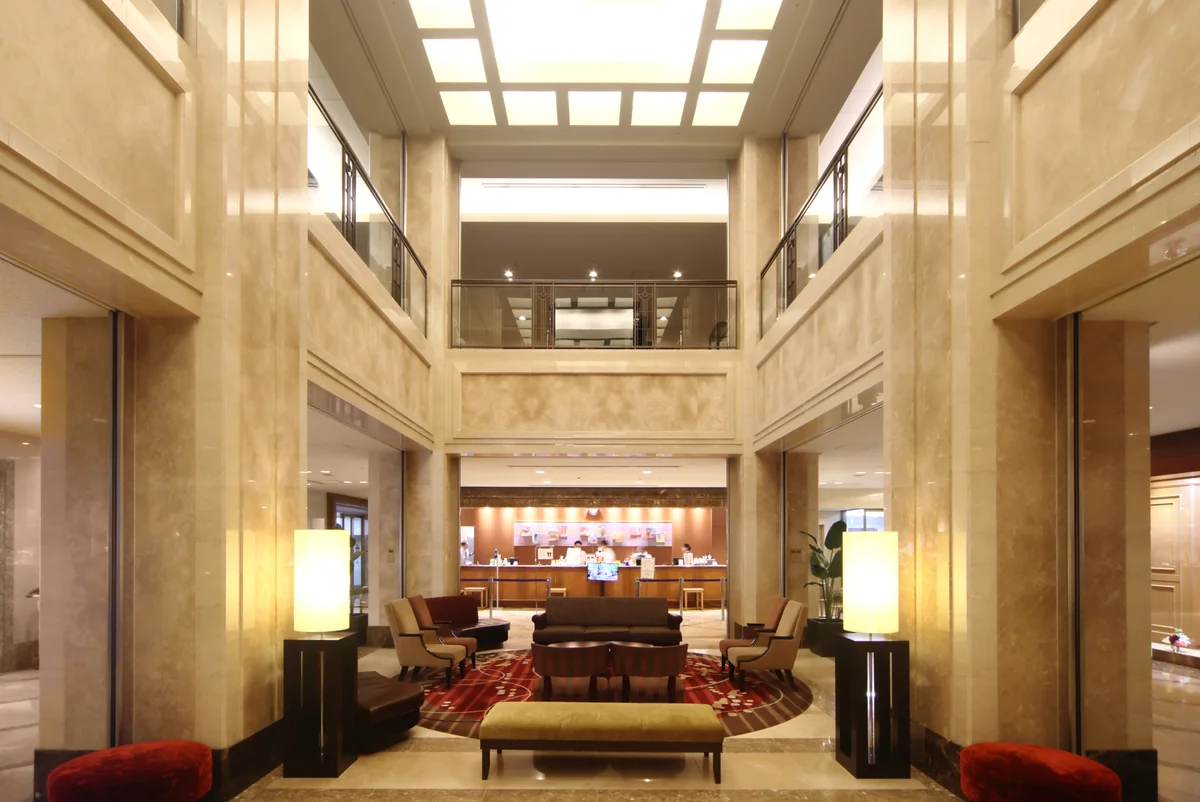
Let us talk about logistics. When you arrive at the JR Nara Station West Exit, you do not even need to step outside. A covered pedestrian deck leads directly into the second-floor lobby. Convenience store proximity is another massive plus here. There is a 7-Eleven right downstairs and a large Kohyo supermarket on the ground floor, perfect for grabbing a ¥140 onigiri before heading out for the day.
Arriving via Transit and Airport Buses
Reaching the hotel from major airports or nearby cities is incredibly straightforward due to its integrated transit hub location. The Kansai Airport Limousine Bus drops you right at the ground floor entrance, completely avoiding train transfers.
If you are coming from Kyoto, taking the Kyoto to Nara rapid train (Miyakoji Rapid) gets you here in exactly 43 minutes. Just tap your Icoca card transit pass, and you are on your way. For those arriving from Osaka, the Yamato-ji Line connects you directly to the hotel's lower levels. This makes it an ideal base if you are attending events at the nearby Nara Prefecture International Convention Center.
- Kyoto Station: 43 minutes via Miyakoji Rapid
- Osaka Station: 52 minutes via Yamatoji Rapid
- Kansai Airport: 85 minutes via direct Limousine Bus
Room Comfort and 2026 Pricing Realities
Standard Twin Room rates in ¥ typically hover around ¥14,500 to ¥22,000 per night, depending on the season [1]. Expect higher rates during the cherry blossom weeks and fall foliage periods.
When doing a business hotel vs city hotel comparison, this property firmly sits in the city hotel category. The rooms are noticeably larger—my twin room offered 24 square meters, which means you can actually open two large suitcases simultaneously. However, I must mention an honest downside: the room decor leans heavily into early 2000s aesthetics. The dark wood furniture and patterned carpets feel slightly dated, though everything remains spotlessly clean. Check-in at 15:00 is strictly enforced, so do not expect early access unless you pay a fee.
Managing Luggage and Laundry
Handling your bags and clothes is hassle-free with on-site facilities designed for longer stays. The hotel provides coin laundry facilities on the 6th floor and front desk shipping services.
If you are traveling across the country, the luggage forwarding Takkyubin service here is a lifesaver. An English-speaking concierge helped me fill out the waybill to send my heavy bag to Tokyo for just ¥2,450. The laundry room is equally practical for mid-trip stops.
- Washer and dryer combo units cost ¥500 for a standard cycle.
- Detergent is automatically dispensed into the drum.
- Machines accept ¥100 coins only, so break your bills at the front desk beforehand.
Food, Sightseeing, and Local Flavor

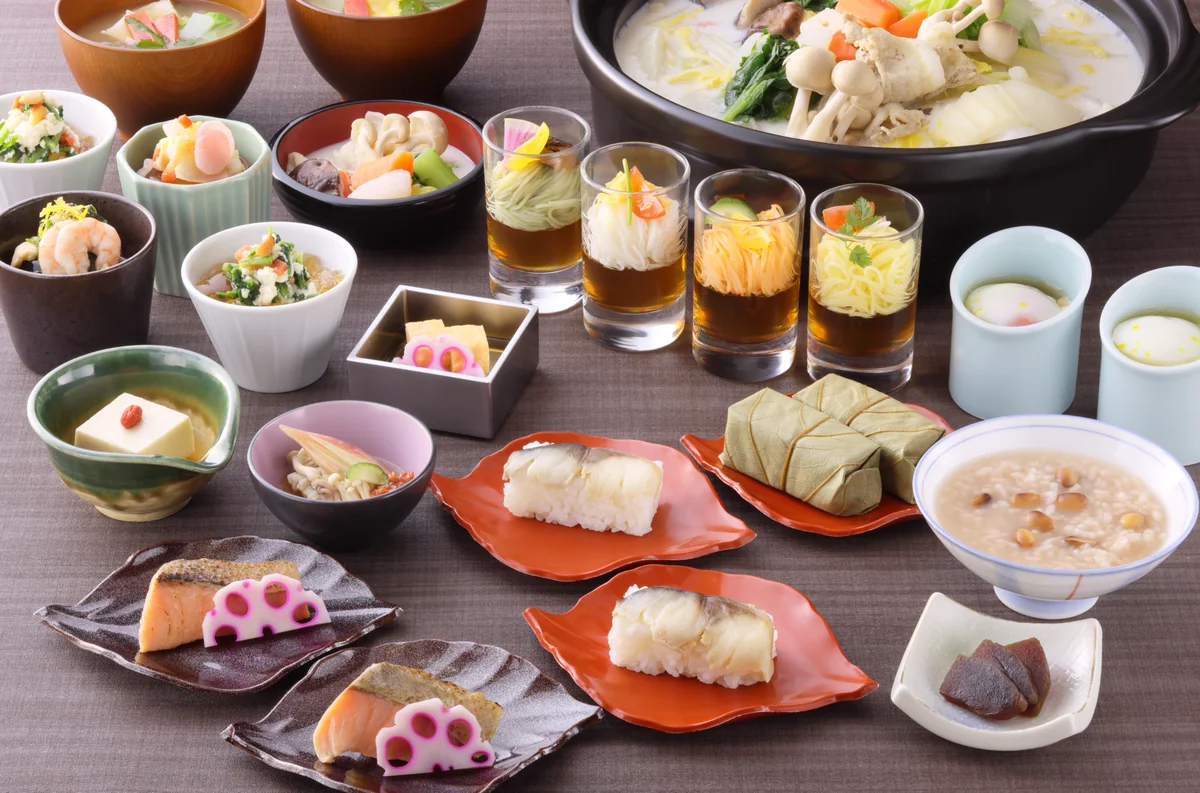
Dining at the hotel offers a mix of western staples and regional dishes, providing a solid start before heading out to explore. The morning spread features both international options and traditional Japanese-style breakfast options.
The breakfast buffet ¥ pricing sits at ¥2,800 per person [1]. While slightly pricey, it is worth trying at least once because they serve Kaki-no-ha sushi local specialty—mackerel or salmon wrapped in persimmon leaves. It is a regional staple that saves you from hunting it down later in the day.
Reaching the Major Attractions
Most major historical sites are located east of the hotel, accessible via a short bus ride or a brisk walk. You can reach the main park area in about 14 minutes on foot.
To see the Nara Park bowing deer, you will walk up the Sanjo-dori shopping street. It is a pleasant stroll filled with mochi shops and cafes. Note that the Kintetsu Nara Station walking distance is about 12 minutes away, which technically puts that station closer to the park entrance. From there, you can easily access the Todai-ji Temple Daibutsu, the stunning Kasuga Taisha Shrine, and the quiet Isuien Garden. Many Trip.com verified reviews point out that while the hotel is not inside the park itself, the transit convenience far outweighs the extra 12-minute walk [1].
- Sanjo-dori entrance: 3 minutes walking
- Kofuku-ji Temple: 14 minutes walking
- Deer feeding areas: 18 minutes walking
Frequently Asked Questions
Here are the most common questions travelers have about staying at this property.
Q: Does the hotel provide adapters or chargers for international guests?A: Yes, you can borrow multi-plug adapters and charging cables from the front desk, though supply is limited during peak seasonal pricing 2026 periods.
Q: Is there a public bath (onsen) available on the property?A: Yes, the hotel features a communal bath on the 6th floor, which is free for staying guests and open until midnight.
Q: Can I store my luggage before check-in or after checkout?A: Absolutely. The front desk will hold your bags for free on the day of your arrival or departure, making it easy to explore without heavy gear.
Where you stay dictates how much energy you have left for exploring. By prioritizing transit access over park-adjacent views, you save your legs for the actual temples and shrines. What transit strategies do you usually rely on when planning a trip to Japan?