I remember missing the last train from Shibuya at 11:47 PM on a Tuesday. The taxi back to Shinjuku cost me ¥3,200 (about $22), which felt like a massive hit to my budget. That was the night I discovered manga cafes—spending just ¥1,500 ($10) for a private booth and a shower until 5 AM. Japan is a place where small logistical oversights can cost you time and money. Whether it is forgetting a 110V Voltage Adapter or not having a Coin Purse for the mountain of ¥100 and ¥500 coins you will inevitably accumulate, preparation is everything. This guide covers the critical Japan travel essentials, from digital entry forms to the best way to handle your currency exchange, based on my 50+ trips to the archipelago.
Essential Entry Documents and Digital Prep
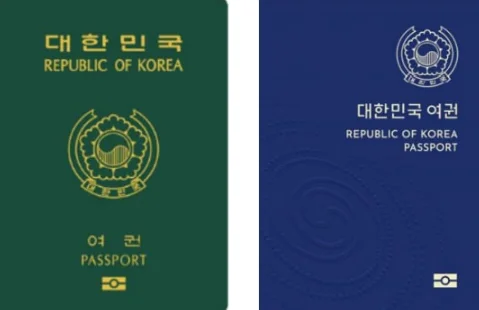
To enter Japan, you need a passport with at least six months of validity and a completed Visit Japan Web registration. These requirements allow you to clear immigration and customs declaration efficiently using digital QR codes rather than paper forms.
"South Korean passport power is 2nd in the world." — Travelman Blog
Visit Japan Web and Immigration
Visit Japan Web is the official portal for registering your immigration and customs declaration details before arrival. By uploading your flight and passport information at least 24 hours in advance, you receive QR codes that speed up your transit through the airport. I have seen travelers without these codes wait 40 minutes longer in the manual paper queue during peak hours at Narita or Kansai.
Money Matters: Cash, Cards, and Exchange
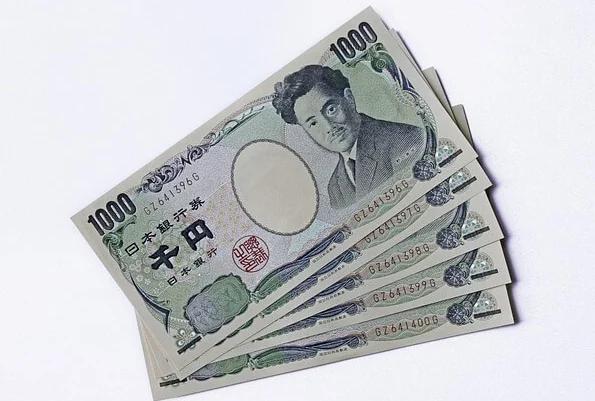
Japan remains a cash-heavy society, especially at small ramen shops or local shrines, though digital payments are rising. You should carry a mix of physical Yen and a specialized travel card like Travel Wallet or TravelLog to manage your budget without high transaction fees.
Travel Wallet vs. Traditional Currency Exchange
Modern travelers often choose between digital fintech cards and old-school bank exchanges. While 7-Eleven ATM machines are everywhere and accept most foreign cards, having a dedicated card like TravelLog often provides better rates for Yen currency exchange. Below is a breakdown of how these options compare for a typical traveler.
| Feature | Travel Wallet / TravelLog | Traditional Bank Exchange |
|---|---|---|
| Exchange Rate | Real-time mid-market rates | Bank-determined rate + fee |
| Convenience | Instant top-up via app | Must visit physical branch |
| ATM Access | Free at 7-Eleven ATMs (with limits) | High international withdrawal fees |
| Physical Cash | Requires withdrawal in Japan | Ready before you fly |
The Necessity of a Coin Purse
You will quickly realize that the ¥500 coin is worth nearly $3.50, and you will get a lot of them. Unlike many Western countries, Japan uses coins for high-value denominations, making a dedicated Coin Purse a necessity rather than an accessory. If you keep them loose in your pocket, you will likely lose enough for a decent bowl of ¥1,000 ($7) ramen by the end of your trip.
Connectivity and Navigation Essentials
Reliable internet is the difference between finding your hotel and wandering aimlessly through Shinjuku Station's 200+ exits. You should choose between an eSIM, USIM card, or Pocket Wi-Fi based on your group size and device compatibility.
Choosing Your Data Connection
For solo travelers, an eSIM is the most integrated choice as it requires no physical swap. If your phone is older, a USIM chip works well, while groups of 3 or more might find a Pocket Wi-Fi more cost-effective. Regardless of your choice, always have Google Maps ready; it is the gold standard for Japan travel, showing exact platform numbers for trains. For translating menus, Papago is generally more accurate for Japanese-to-English nuances than other translation apps.
Transportation: Suica, Pasmo, and Rail Passes
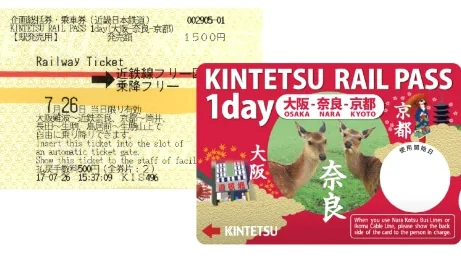
IC cards like Suica or Pasmo are essential for buses and subways. You can now add these directly to your smartphone's digital wallet. While the JR Pass was once a default recommendation, its 2023 price hike means it only pays off if you are taking multiple long-distance Shinkansen trips. For regional travel, consider options like the Kintetsu Rail Pass, which covers Osaka, Nara, and Kyoto for around ¥1,500 ($10).
Packing Checklist for Japan
Before you head to the airport, ensure these four critical points are addressed. Missing even one can lead to unnecessary stress during your first 24 hours in the country.
- Passport Processing: Renewal times can be unpredictable; ensure you have at least 6 months validity left on your document.
- Cash Dependency: While Don Quijote and major department stores take cards for Tax-free shopping, many "Conbini" (convenience stores) and small shops still prefer cash.
- Voltage Difference: Japan uses 110V (Type A). Most modern electronics are dual-voltage, but you will need a 110V Voltage Adapter (two flat pins) to plug them in.
- Accommodation Details: Keep your hotel address and phone number written down or screenshotted. You need this for the immigration form, and Wi-Fi at the airport can occasionally be spotty.
Frequently Asked Questions
 Q: Where can I apply for a passport? A: You must apply in person at your local government passport office or city hall. For renewals, some regions now offer online application services through official government portals. Q: What are the operating hours for airport bank exchanges? A: Most airport exchange counters operate from 06:00 to 21:00. They are rarely open 24 hours, so if you have a late-night flight, rely on a 7-Eleven ATM instead. Q: Is a COVID-19 vaccination certificate still required for entry? A: As of May 8, 2023, Japan has lifted all COVID-19 entry requirements. You no longer need to show a vaccination certificate or a negative test result to enter the country.
Practical Tips for Your Stay
Don't forget to pack a high-capacity Power Bank. Using Google Maps and translation apps all day drains phone batteries faster than usual. Also, keep in mind that Japan Taxi Fares are among the highest in the world, often starting at ¥500-¥700 just to sit down. If you are on a budget, stick to the metro or walk. Finally, for a cheap and delicious meal, convenience store food (Conbini) from Lawson or FamilyMart is surprisingly high quality—I often grab a ¥150 rice ball and a ¥200 fried chicken for a quick lunch.