I once spent forty-five minutes dragging a 25kg suitcase through the labyrinthine exits of Shinjuku Station during the humid peak of July. By the time I reached my hotel, I was exhausted, sweaty, and questioning my life choices. That was the moment I realized that for a country as geographically diverse as Japan, the traditional rail-and-hotel model isn't always the best way to see everything. Japan cruise travel offers a compelling alternative, allowing you to visit multiple coastal cities like Kagoshima and Otaru without ever having to pack and unpack your bags. It is a slower, more deliberate form of tourism that swaps crowded trains for ocean breezes and mountain views.
Starting Your Journey: Major Port Terminals in Japan
Most major Japan travel cruises depart from the Osanbashi Pier in Yokohama or the Hakata Port International Terminal in Fukuoka. These hubs are strategically located near major JR Lines, making it simple to connect your land-based vacation with your time at sea.
The Osanbashi Pier in Yokohama is a masterpiece of architecture, featuring a rolling wooden deck that feels more like a park than a terminal. If you are starting here, take the Minatomirai Line to Nihon-odori Station; it is a short 7-minute walk from exit 3. For those departing from the Hakata Port International Terminal, a quick 15-minute bus ride from Hakata Station (Bus #88) will drop you right at the door. One thing to keep in mind is the CIQ procedures (Customs, Immigration, and Quarantine). While usually efficient, I once waited 38 minutes in line during a peak Sakura Season departure, so arriving at least three hours before embarkation is a smart move.
Life Onboard: Cabin Categories and Etiquette
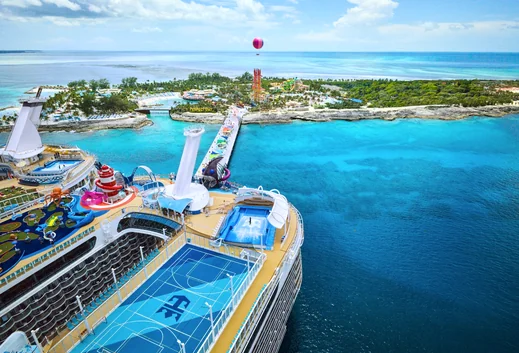
Choosing the right cabin category—Inside, Balcony, or Suite—is the most significant decision you will make regarding your onboard comfort and budget. While an Inside room is the most affordable, a Balcony cabin on a ship like the Diamond Princess is worth the extra ¥45,000 ($300) for the ability to watch the sunrise over the Pacific in your pajamas.
Once you board, your Cruise Card (often called a SeaPass) becomes your lifeline. It acts as your room key, your identification for CIQ procedures at every port, and your credit card for all onboard purchases. Speaking of purchases, be prepared for Gratuities. These service charges are typically around $16 to $19 (¥2,500 - ¥3,000) per person per day and are automatically added to your account. Regarding the Dress Code, most nights are casual, but "Formal Nights" are taken seriously in Japan. I saw many passengers in full kimonos or tuxedos, though a dark suit or a cocktail dress is perfectly acceptable for most.
Maximizing Shore Excursions and Port Visits
Shore Excursions are the heart of any cruise, but they require careful planning to avoid overspending on generic bus tours. Many ports, such as the Naha Port in Okinawa or the Kanazawa Port Cruise Terminal, are located close enough to city centers that you can explore independently using local transport.
In Kanazawa, the city usually provides a Port Shuttle to the nearest train station for a small fee, often around ¥500 ($3.30). However, some smaller destinations like those in the Seto Inland Sea might require a Tender Boat Service, where smaller boats ferry you from the ship to the pier. This can add 30-40 minutes to your transit time, so don't book a tight private tour. One of my favorite memories was the view of Mt. Fuji from Shimizu Port; if the weather is clear, skip the expensive mountain tour and just head to the ship's top deck with a camera. You get the same view for free.
Essential Connectivity: Wi-Fi and Logistics
Staying connected while cruising in Japan requires a two-pronged strategy: Onboard Wi-Fi packages for sea days and a local Japan SIM card or eSIM for shore days. Onboard internet is notoriously expensive, often costing $20 (¥3,100) per day, and the speed can be frustratingly slow when the ship is far from the coast.
To save money, I highly recommend downloading a Mobile Suica or Pasmo to your phone before you leave. This allows you to tap-and-go on almost any bus or train in cities like Kobe (near the Kobe Meriken Park Terminal) or Kagoshima Marine Port. For those finishing their cruise and heading to the airport, use the Takkyubin (luggage delivery) service. For about ¥2,800 ($18), they will take your heavy suitcases from the pier directly to Narita or Haneda, leaving you free to enjoy one last day of Tax-Free shopping in Ginza without the weight.
Cruising Checklist for Japan
- Valid Passport & Cruise Card: Always carry both when disembarking for CIQ checks.
- Mobile Suica/Pasmo: Essential for quick transit in every port city.
- Formal Attire: At least one set of formal clothes for shipboard gala events.
- Japan eSIM: Much cheaper than ship Wi-Fi for use during port stops.
- Comfortable Walking Shoes: Kanazawa and Otaru involve significant walking on uneven surfaces.
- Small Cash (Yen): Some port shuttles and local markets still only accept physical coins or bills.
While the luxury of a cruise is undeniable, it is not without its downsides. The biggest trade-off is time. You typically only have 8 to 10 hours in each city, which isn't enough to see everything in a place like Kyoto (accessible from Kobe or Osaka). If you are a traveler who likes to spend five hours in a single museum, the fixed schedule of a cruise might feel restrictive. However, for those who want a broad overview of the Japanese coastline with maximum comfort, it is an experience that is hard to beat.
자주 묻는 질문